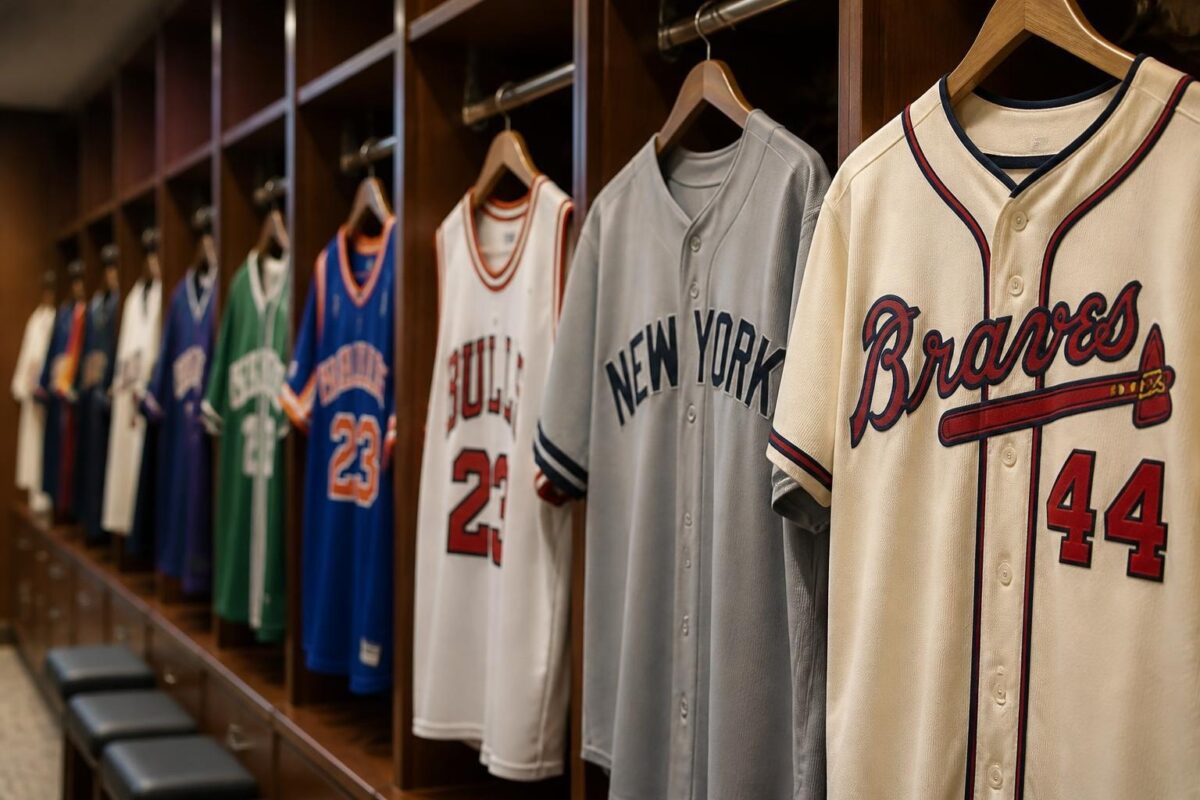
Sports franchises across professional leagues have discovered a powerful marketing tool that resonates with multi-generational fan bases: throwback uniforms. These carefully curated retro designs bridge the gap between historical team identity and contemporary sports culture, creating merchandising opportunities while honoring legacy players and championship eras. From the NFL’s expanding alternate helmet policy to the NBA’s Classic Edition program, throwback uniforms have evolved from occasional novelties into strategic brand assets that drive fan engagement, television ratings, and jersey sales across every major league.
The Business Case for Throwback Uniforms
Professional sports teams invest significantly in throwback uniform programs because the return on investment extends far beyond single-game ticket sales. Research into nostalgia marketing reveals that consumers demonstrate stronger emotional connections and purchase intent when brands activate positive memories from their past. For sports franchises, throwback uniforms tap into this psychological trigger with precision.
Revenue Streams Beyond Game Day
Throwback uniform releases generate multiple revenue opportunities simultaneously. Teams coordinate merchandise launches weeks before the on-field debut, creating anticipation through social media campaigns and exclusive pre-order windows. The actual game day becomes an event unto itself, often featuring higher ticket prices, premium concession packages, and commemorative giveaways.
Primary revenue drivers include:
- Authentic and replica jersey sales through team stores and league partners
- Limited-edition merchandise collections (hats, t-shirts, jackets)
- Premium ticket packages tied to throwback game experiences
- Television broadcast partnerships featuring special presentations
- Social media engagement that amplifies brand reach without direct costs
The merchandising cycle extends months after the game, as throwback uniforms remain in rotation as alternative options. Unlike standard uniforms that might see annual updates, successful throwback designs maintain relevance for years, providing sustained revenue without additional design investment.
League-Specific Approaches to Throwback Programs
Each major professional league has developed distinct policies governing throwback uniforms, shaped by their unique traditions, broadcast partnerships, and brand strategies. Understanding these differences helps teams maximize impact while navigating regulatory requirements.
NFL Throwback Uniforms Evolution
The National Football League maintained strict uniform policies for decades, limiting teams to one helmet shell per season. This constraint prevented many authentic throwback recreations, since historical designs often featured different helmet colors. The 2022 policy change allowing alternate helmets transformed throwback possibilities across the league.
Teams immediately capitalized on this flexibility. The New York Giants unveiled Century Red uniforms commemorating their 100th season, while franchises like the Philadelphia Eagles, New England Patriots, and Tampa Bay Buccaneers brought beloved historical looks back to modern stadiums. The NFL now permits up to three helmet options per team, dramatically expanding throwback uniform authenticity.
Throwback Uniforms NBA Classic Edition Standards
The National Basketball Association operates a structured uniform program with designated categories, including the Classic Edition specifically designed for throwback concepts. The Memphis Grizzlies’ recent Classic Edition release exemplifies how teams balance historical accuracy with modern performance fabric requirements.
NBA throwback uniforms face unique challenges compared to other leagues. Basketball jersey designs evolved significantly across eras, from baggy silhouettes of the 1990s to today’s tailored fits. Teams must decide whether to replicate historical cuts authentically or adapt vintage designs to contemporary athletic preferences. Most choose hybrid approaches that honor visual aesthetics while incorporating current manufacturing standards.
MLB Tradition and Innovation Throwback Uniforms
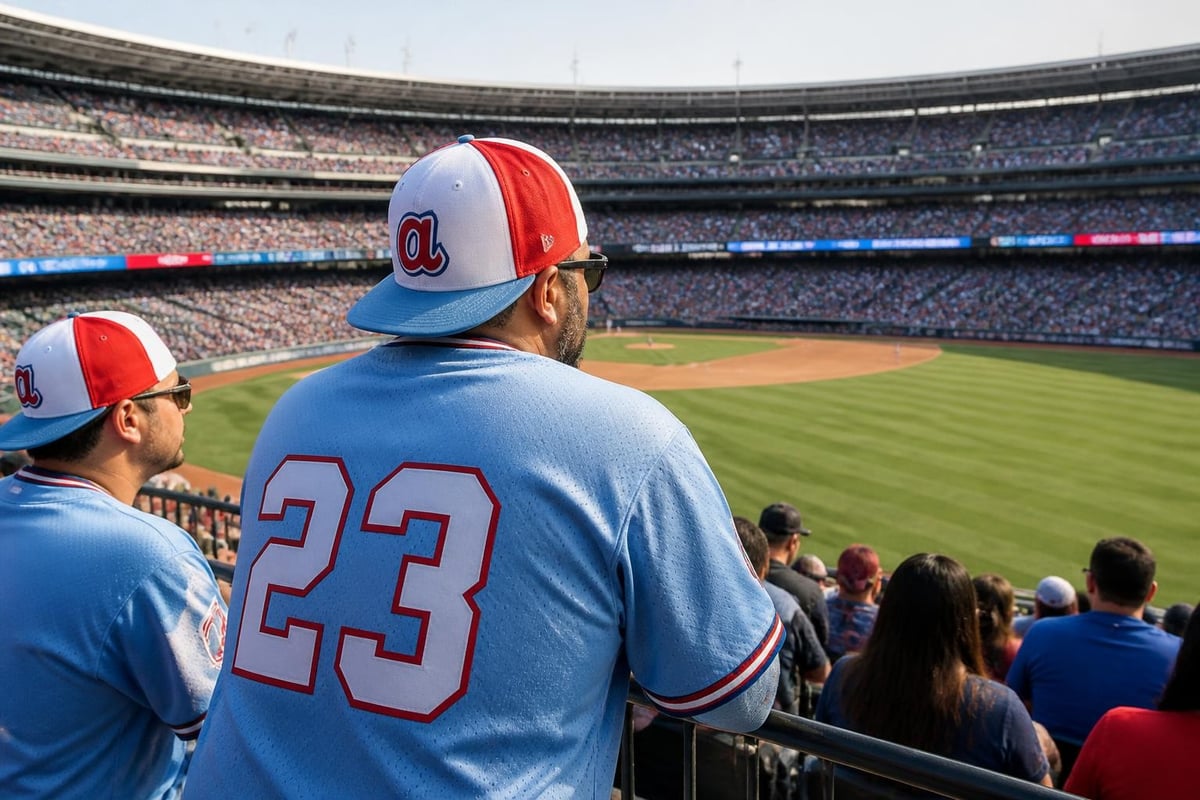
Major League Baseball’s throwback culture differs from other leagues due to baseball’s longer competitive season and deeper connection to vintage aesthetics. Recent announcements like the Marlins’ teal Sunday uniforms demonstrate how teams integrate throwback elements into regular rotation rather than limiting them to special occasions.
Baseball teams frequently honor Negro League heritage, minor league affiliates, and pre-franchise relocations through throwback uniforms. The Baseball Hall of Fame’s extensive uniform documentation provides franchises with authenticated reference materials for historically accurate reproductions, elevating throwback programs beyond marketing gimmicks into educational opportunities.
| League | Annual Throwback Games | Helmet Restrictions | Season Integration |
|---|---|---|---|
| NFL | 1-3 per team | Max 3 helmets allowed | Limited games only |
| NBA | 4-8 per team | No helmet | Regular rotation |
| MLB | 10-20 per team | Caps only, flexible | Weekly in some cases |
| NHL | 2-6 per team | Helmet decals vary | Special occasions |
Design Elements That Define Successful Throwback Uniforms
Creating throwback uniforms that resonate with fans requires balancing historical authenticity with modern manufacturing capabilities. The most successful designs share common characteristics that maximize both aesthetic appeal and commercial viability.
Color Palette Authenticity
Fans notice when throwback color matching misses the mark. Successful programs invest in precise color reproduction, often consulting archived jerseys, photographs, and broadcast footage. Fabric dye technology has advanced considerably, allowing manufacturers to match colors that would have been impossible to replicate accurately even a decade ago.
Teams must also consider how throwback colors photograph under modern LED stadium lighting and high-definition broadcast cameras. Colors that appeared vibrant under 1970s tungsten lighting might look washed out in contemporary settings, requiring subtle adjustments while maintaining period-appropriate aesthetics.
Typography and Number Styling
Font selection separates amateur throwback attempts from professional executions. Each era featured distinct numbering styles, from block serif fonts of the 1950s through bubble letters of the 1970s to sleek, angular designs of the 1990s. Authentic recreation demands attention to:
- Exact font proportions and letter spacing
- Stitch patterns matching original tackle twill applications
- Number placement relative to jersey cut and shoulder seams
- Name plate positioning adjusted for historical accuracy
- Patch placement for championship seasons or commemorative elements
Custom jersey manufacturers specializing in throwback reproductions maintain extensive font libraries cataloging decades of professional sports typography. This enables accurate recreation regardless of size specifications, from infant jerseys through big-and-tall options exceeding standard measurements.
Fan Psychology and Generational Appeal of Throwback Uniforms
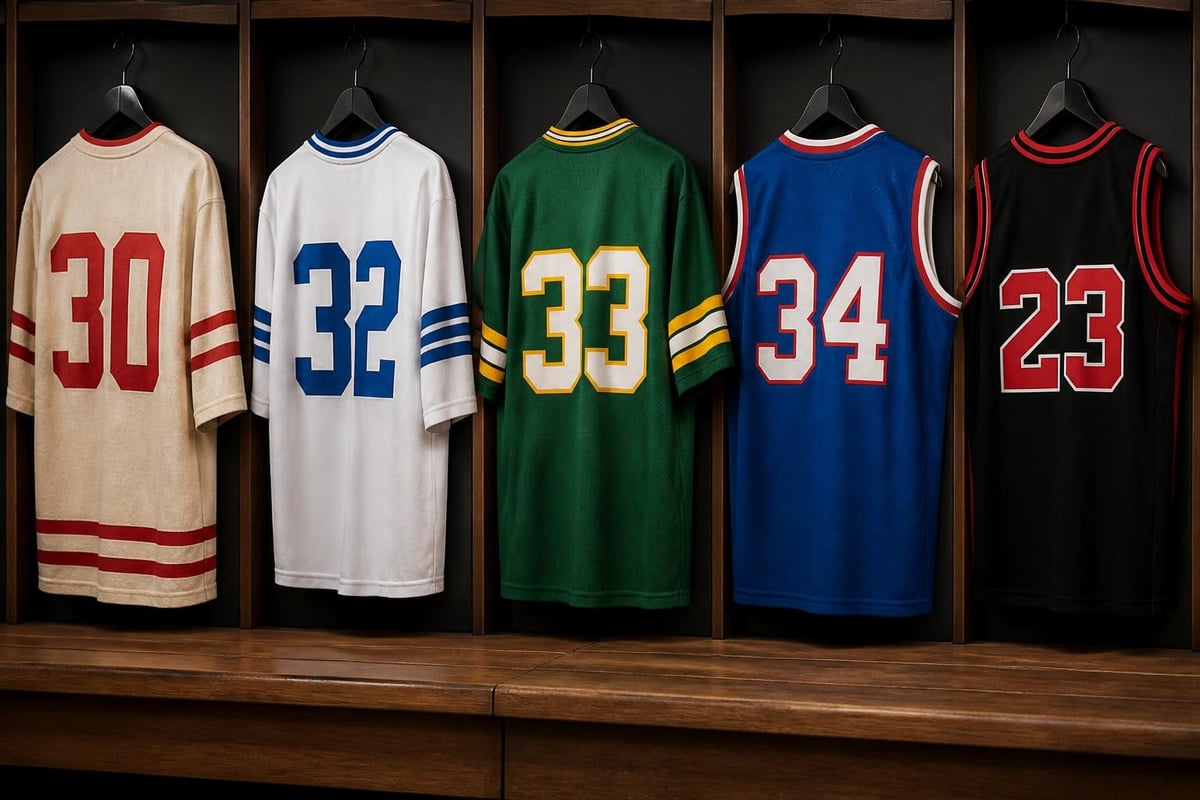
Throwback uniforms succeed because they simultaneously appeal to multiple demographic segments with distinct motivations. Understanding these overlapping audiences helps explain why throwback programs generate disproportionate engagement compared to standard uniform releases.
Nostalgia for Original Fan Cohorts
Fans who attended games during the original uniform era experience powerful emotional responses when teams revive those designs. A 60-year-old who attended games as a child in the 1970s sees their formative sports memories validated when teams honor that period. This demographic typically has higher disposable income and strong loyalty, making them valuable merchandise customers.
These fans appreciate authenticity details that younger audiences might overlook. Correct collar styles, historically accurate striping patterns, and period-appropriate logo reproductions matter significantly to this segment. They’re also more likely to invest in premium custom jerseys with personalized nameplates honoring favorite players from the era.
Aesthetic Discovery for Younger Fans Throwback Uniforms
Younger fans encounter throwback uniforms without the nostalgia filter, judging them purely on visual appeal. Contemporary sports fashion trends often favor retro aesthetics, making vintage-inspired designs particularly appealing to audiences under 30.
This demographic views throwback jerseys as fashion statements rather than purely sports merchandise. They’re comfortable mixing eras, wearing throwback jerseys of players they never watched perform. Social media amplifies this trend, as visually distinctive throwback designs generate more engagement than conventional uniforms.
Custom Throwback Uniforms Options for Every Fan
The demand for throwback uniforms extends beyond officially sanctioned team releases. Fans increasingly seek personalized throwback jerseys that reflect their specific preferences, whether recreating exact historical details or creating hybrid designs that combine elements from multiple eras.
Size Inclusivity in Throwback Uniforms Manufacturing
Historical sports jerseys were manufactured in limited size ranges reflecting the athletic builds of professional players. Modern custom jersey production eliminates these restrictions, offering throwback designs in comprehensive size ranges. Quality manufacturers now provide throwback uniforms sized from newborn through 800 pounds and beyond, ensuring every fan can participate regardless of body type.
Available customization options include:
- Youth cuts with proportionally adjusted graphics
- Ladies’ tailored fits maintaining throwback aesthetics
- Big and tall specifications with extended length and width
- Custom measurements for unique fit requirements
- Split jerseys combining two team designs
This inclusivity represents a significant advance over official merchandise, which typically offers limited size ranges and standardized cuts. Families can now outfit entire groups in matching throwback uniforms for game attendance or watch parties, regardless of individual size needs.
Personalization Beyond Standard Options
Custom throwback jerseys enable personalization impossible through official channels. Fans can order jerseys honoring lesser-known players from historical eras, create throwback designs for themselves with their names and preferred numbers, or commemorate specific games with date-specific detailing.
The direct-from-supplier model eliminates middleman markups while maintaining premium quality standards. Sports Illustrated’s jersey coverage regularly highlights how custom options complement official releases, providing fans with alternatives when teams discontinue popular throwback designs or limit production runs.
| Customization Type | Official Team Store | Custom Manufacturer |
|---|---|---|
| Size range | Standard (S-3XL typically) | Unlimited (newborn-800+ lbs) |
| Name options | Current roster + legends | Any name, any era |
| Number options | Retired/active only | Any number 0-99 |
| Production time | Immediate ship from stock | 2-4 weeks custom made |
| Price point | Premium retail pricing | Direct pricing, no markup |
Manufacturing Quality in Throwback Reproduction
Authenticating throwback uniforms requires understanding manufacturing techniques from the original era and determining which methods to preserve versus modernize. The finest custom jerseys balance period-accurate appearance with contemporary durability and comfort.
Tackle Twill vs. Screen Printing
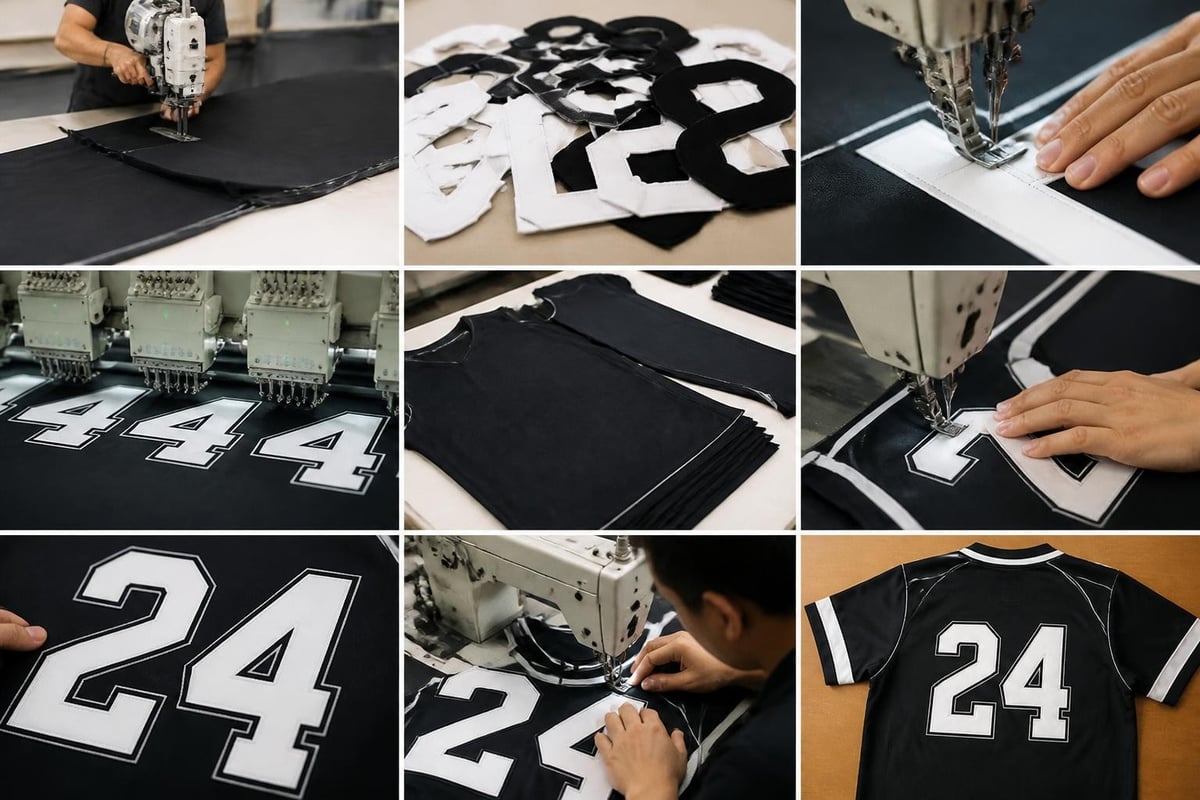
Historical jerseys predominantly featured tackle twill construction, where individual fabric letters and numbers were cut and stitched onto jersey bodies. This labor-intensive process created dimensional depth and exceptional durability. Modern screen printing offers cost savings but lacks the authentic appearance and longevity serious collectors demand.
Quality throwback reproduction maintains tackle twill standards even when budget alternatives exist. Each letter and number is individually cut from twill fabric, then chain-stitched to the jersey using thread colors matching the original specifications. This process requires skilled craftsmanship but produces results indistinguishable from vintage originals.
Fabric Technology Adaptations
Original throwback uniforms used heavy cotton, wool blends, or early polyester fabrics that absorbed moisture and restricted movement compared to modern performance materials. Custom manufacturers must balance authenticity with wearability, especially for jerseys intended for actual athletic use rather than display.
Most quality reproductions use performance polyester that mimics historical fabric appearance while providing moisture-wicking and stretch properties. The visual aesthetic remains period-appropriate while functionality meets contemporary expectations. For collectors seeking maximum authenticity, some manufacturers offer true-to-original fabric options despite inferior performance characteristics.
International Perspectives on Throwback Culture
While North American professional leagues dominate throwback uniform discussions, international sports cultures approach retro kits with distinct philosophies shaped by different competitive structures and fan traditions.
European Football Kit Heritage
Premier League and European football clubs maintain deeper historical archives than most North American franchises, with some teams tracing lineages back over a century. European throwback kits often reference pre-World War II designs or commemorate specific championship eras, creating educational opportunities about club history.
European manufacturers also influence global throwback trends through design innovation. Adidas, Nike, and Puma regularly create retro-inspired templates that clubs customize, establishing aesthetic directions that eventually influence North American leagues. The cross-pollination between football kit culture and basketball/baseball jersey trends continues accelerating.
Global Manufacturing and Shipping
The worldwide appetite for throwback sports jerseys has created international supply chains serving fans regardless of geographic location. Established manufacturers with 25-year track records now offer global shipping options, delivering custom throwback jerseys from NFL, NBA, MLB, and NHL teams to fans across continents.
This international reach expands throwback culture beyond teams’ local markets. A fan in Asia can order a custom throwback jersey from a 1980s NHL team with the same quality and authenticity as a customer in North America. Global e-commerce has democratized access to niche throwback designs that would never justify international retail distribution through traditional channels.
Future Directions for Throwback Programs
Professional leagues continue evolving throwback policies as they recognize the programs’ marketing value and fan enthusiasm. Several trends are shaping the next generation of throwback uniform initiatives.
Expanded Historical Range
Teams increasingly reach further back into their histories for throwback inspiration. NBA franchises are exploring pre-shot-clock era designs, while NFL teams consider throwbacks to their pre-Super Bowl championships. MLB teams with Negro League heritage are developing throwback programs honoring those organizations with increasing sophistication.
This expanded historical range creates opportunities for fan education. Throwback uniform releases paired with documentary content, player interviews, and archival footage transform simple merchandising into cultural preservation. Younger fans discover team histories they might otherwise never encounter.
Technology-Enhanced Authenticity
Advanced textile scanning and 3D modeling technologies enable unprecedented accuracy in throwback reproduction. Teams can digitally analyze surviving vintage jerseys, mapping every stitch, color variation, and construction detail. This data informs modern manufacturing while creating digital archives preserving uniform heritage.
Some franchises are exploring augmented reality applications that allow fans to virtually “try on” throwback uniforms before purchase, reducing returns while increasing engagement. These technologies may eventually enable fully customized throwback designs where fans select specific elements from different eras, creating personalized hybrid uniforms.
Sustainability Considerations
As environmental consciousness grows, some teams are incorporating sustainability into throwback programs. Using recycled polyester for throwback uniforms, implementing take-back programs for old jerseys, and partnering with eco-conscious manufacturers align throwback nostalgia with forward-thinking values.
This approach appeals particularly to younger demographics who value both retro aesthetics and environmental responsibility. Throwback uniforms made from recycled materials create marketing narratives that honor the past while protecting the future.
Throwback uniforms represent far more than temporary marketing campaigns-they’re strategic brand assets connecting teams with multi-generational fan bases through shared heritage and visual nostalgia. Whether you’re drawn to the championship eras of your favorite franchise or simply appreciate the distinctive aesthetics of vintage sports design, custom throwback jerseys provide authentic connections to sports history. My Size Jersey specializes in custom-made throwback uniforms across all major leagues, offering authentic tackle twill construction in any size from newborn through big-and-tall specifications and beyond, with worldwide shipping and 25 years of manufacturing expertise ensuring you receive the finest quality personalized throwback jersey available.