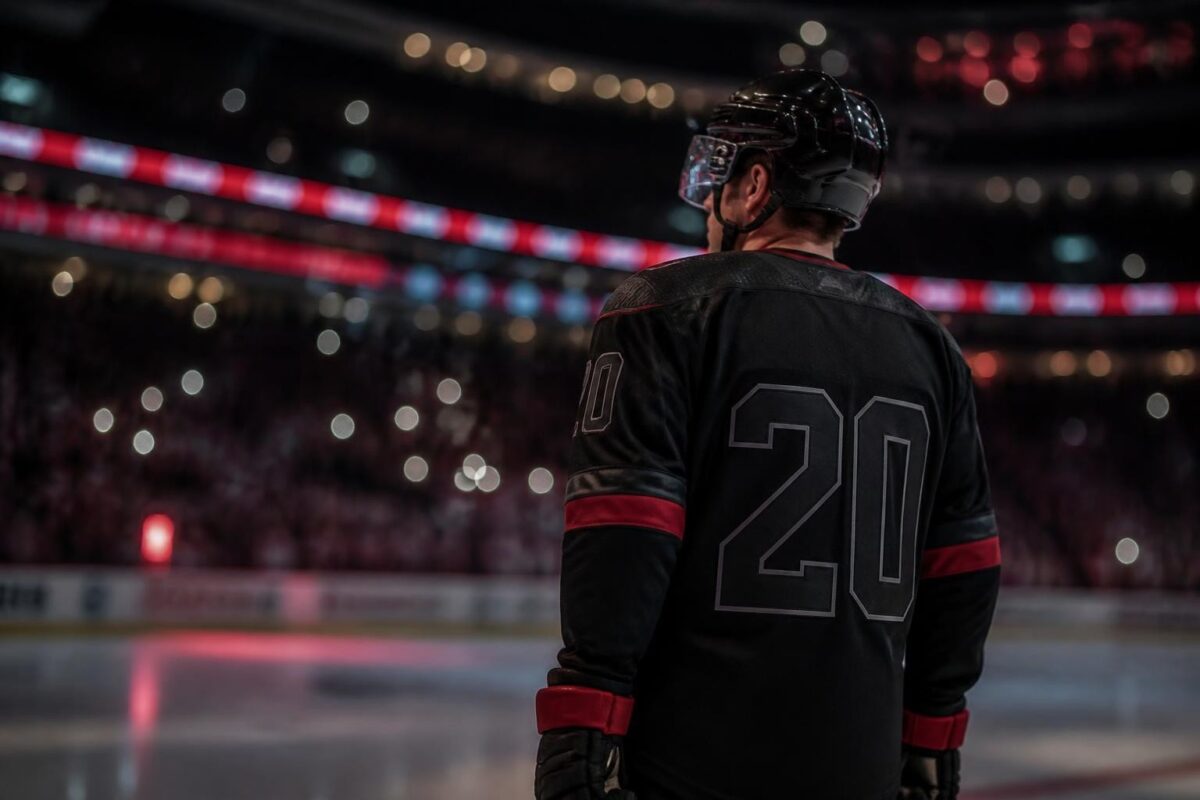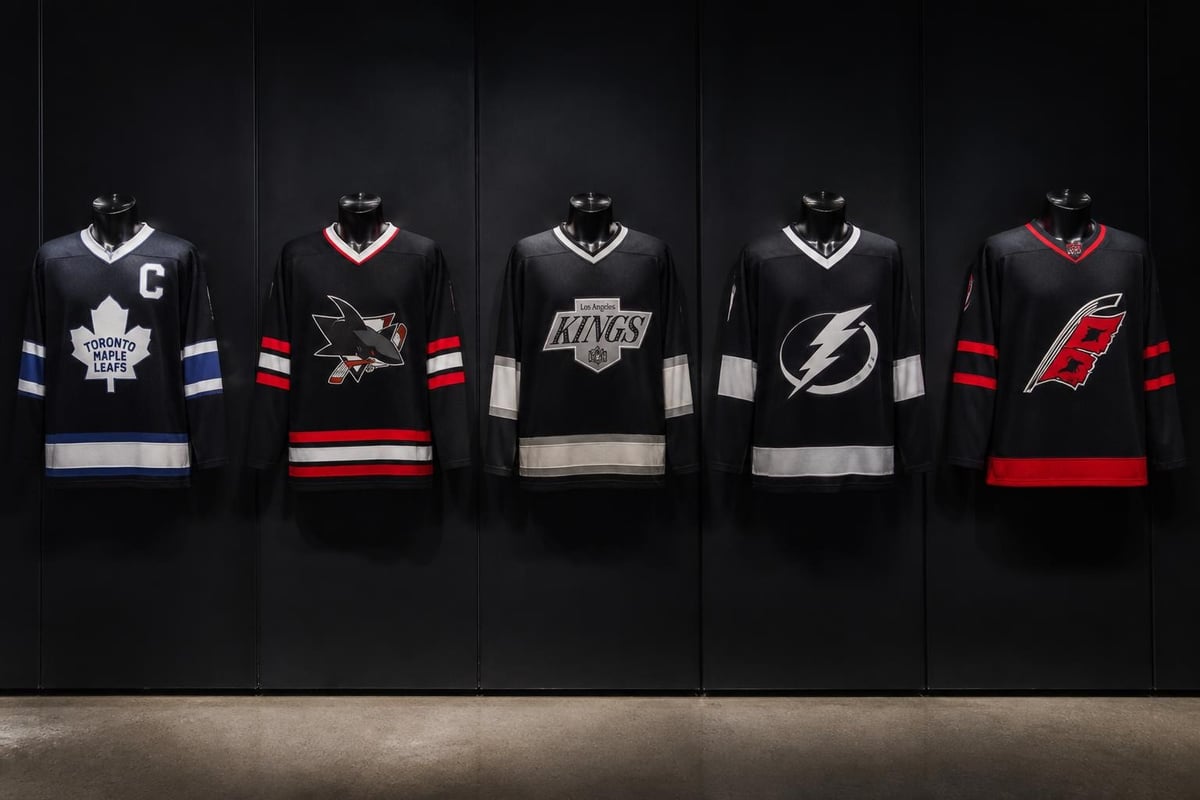
The demand for personalized football kits has transformed the sports apparel industry, moving far beyond basic squad numbers and surnames. In 2026, clubs, amateur teams, and individual supporters expect customization options that reflect personal identity while maintaining professional quality and regulatory compliance. Whether you’re outfitting a youth academy, corporate team, or seeking a replica jersey with your favorite player’s credentials, understanding the scope of personalization available ensures you make informed decisions that balance authenticity, performance, and budget.
The Evolution of Football Kit Personalization
Football kit customization has progressed dramatically over the past two decades. Traditional screen-printed numbers have given way to tackle twill stitching, heat-pressed vinyl, and sophisticated dye-sublimation techniques that integrate graphics directly into fabric fibers.
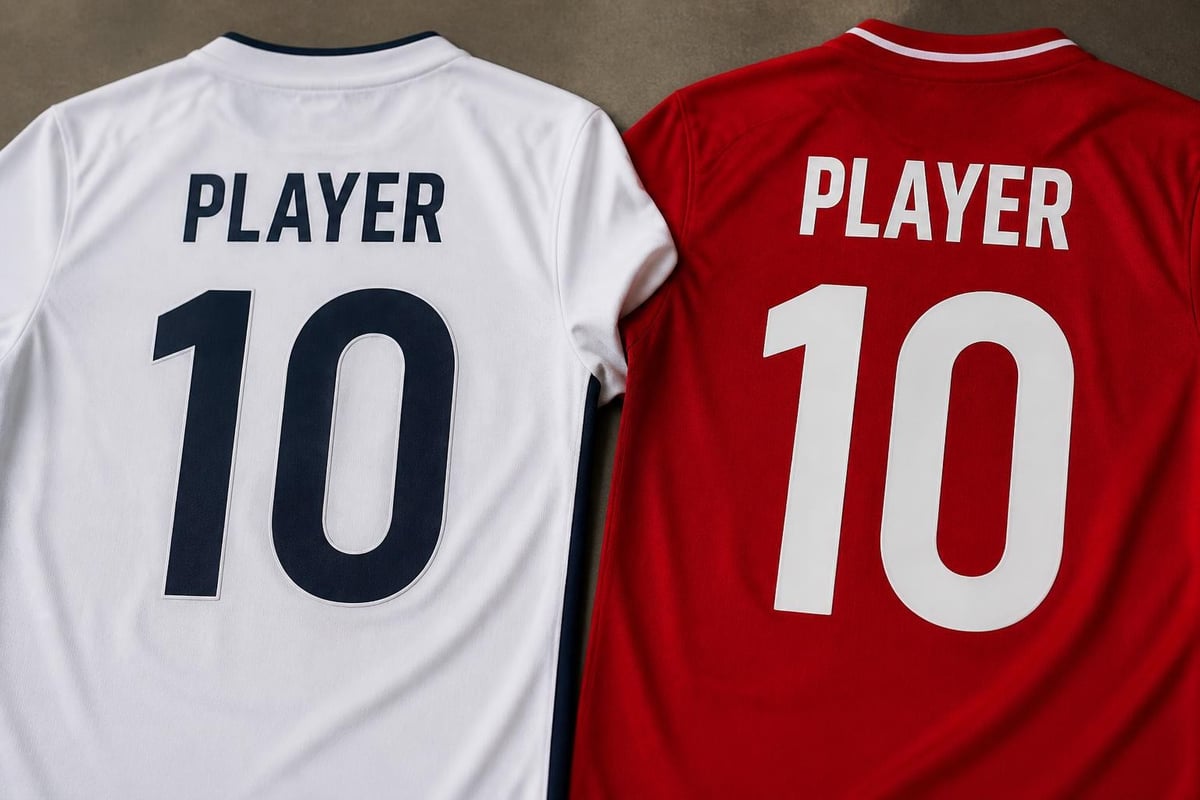
Modern personalized football kits offer multiple layers of customization. Players and supporters can select:
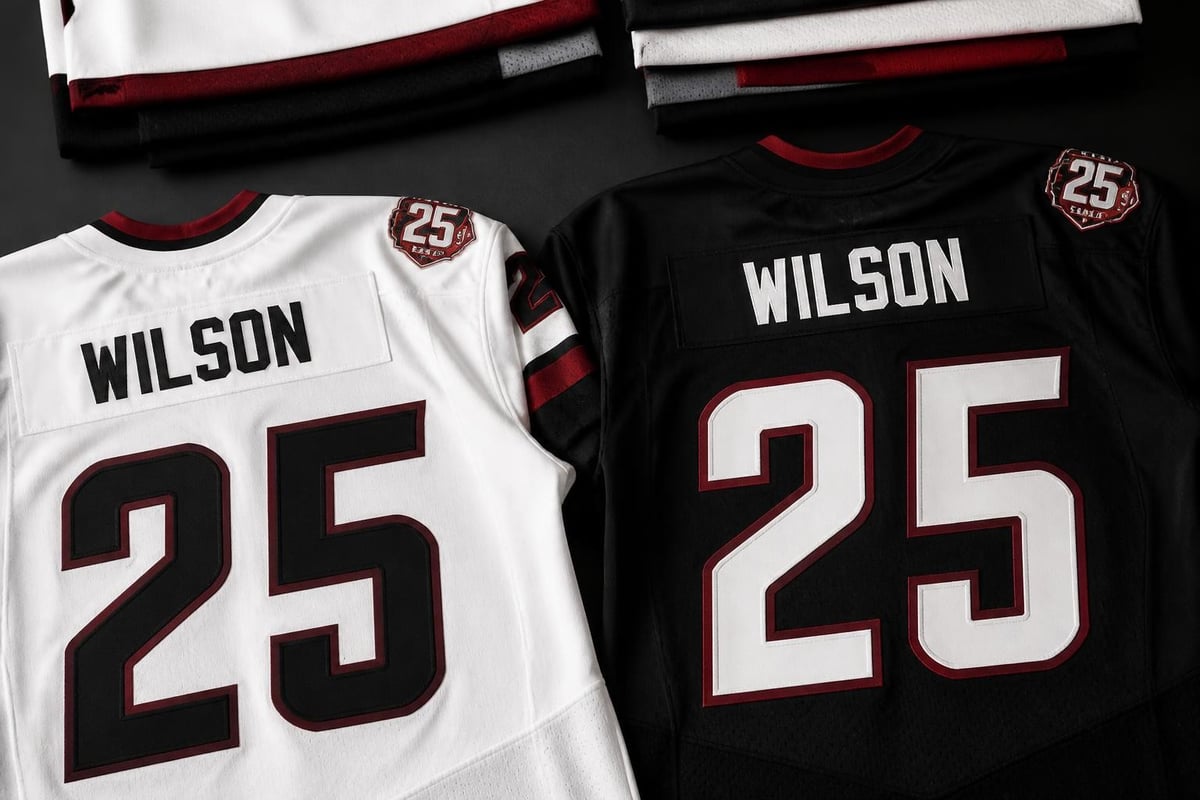
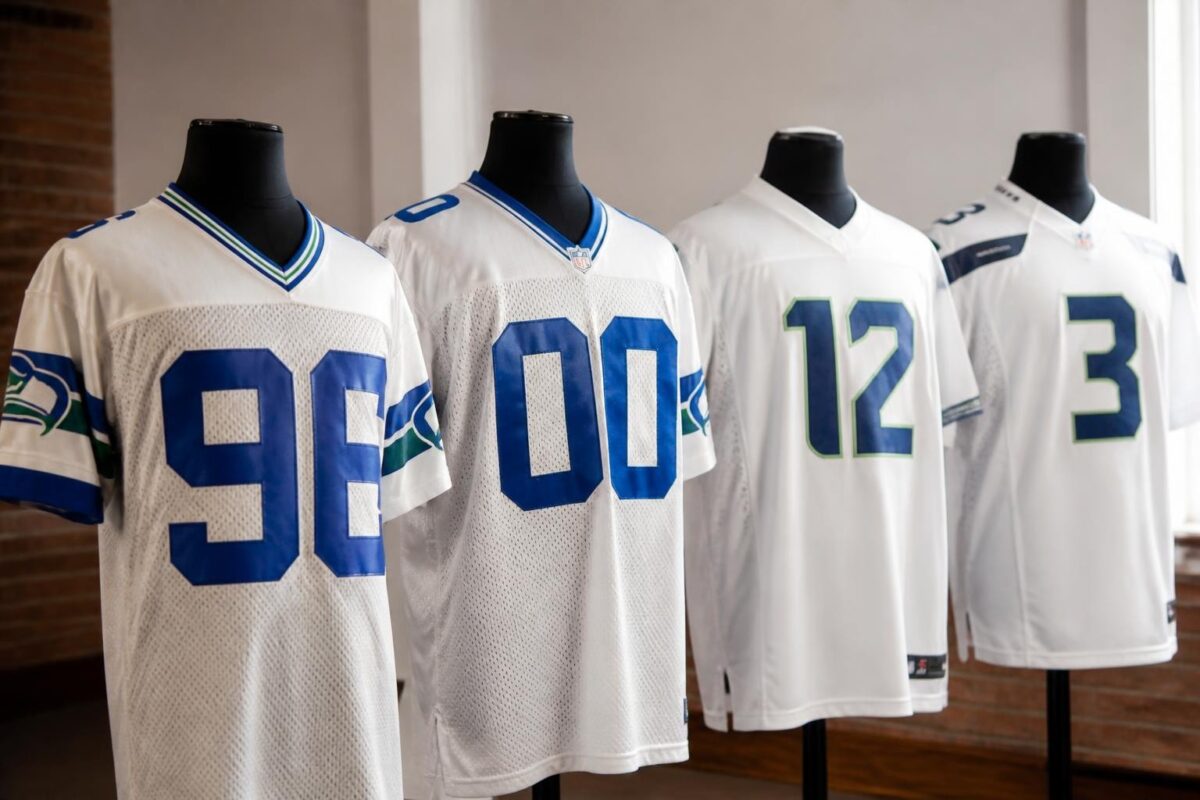
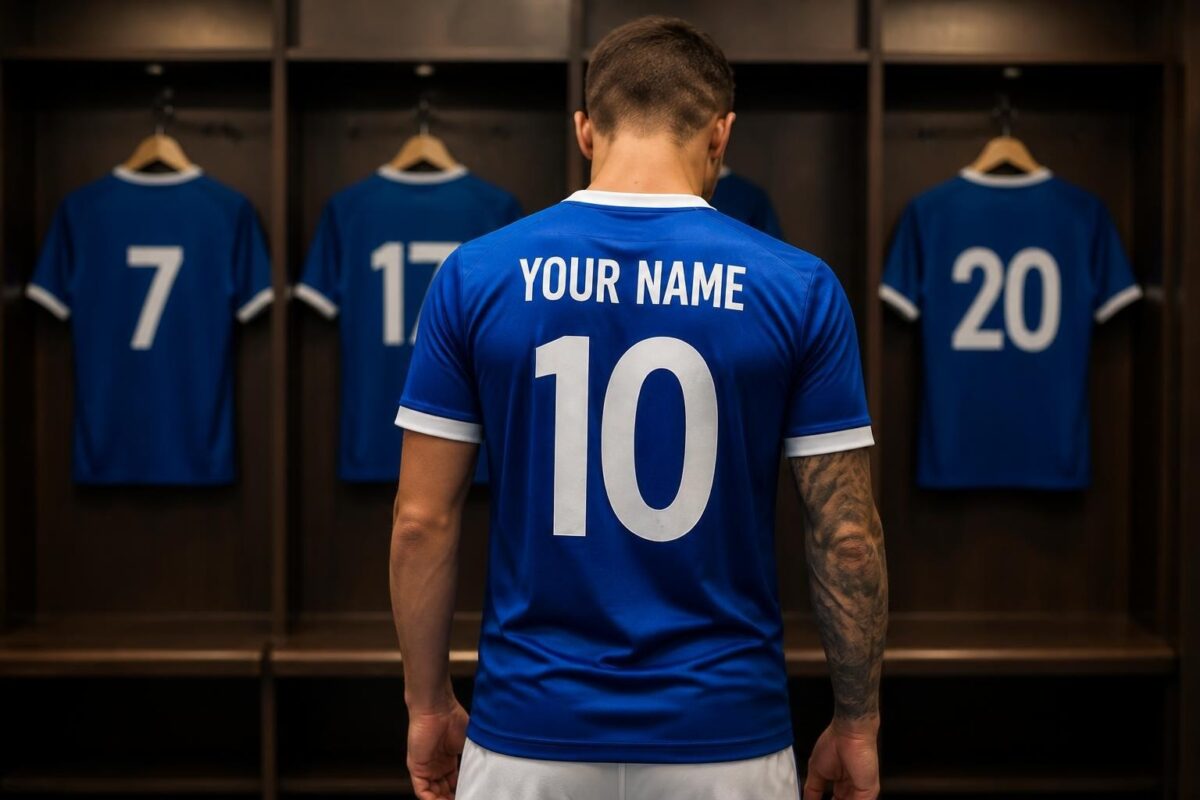
- Name and number placement following official league specifications
- Font styles that match professional team standards
- Badge and patch positioning for sponsors, league emblems, and commemorative details
- Fabric technology tailored to playing conditions and performance needs
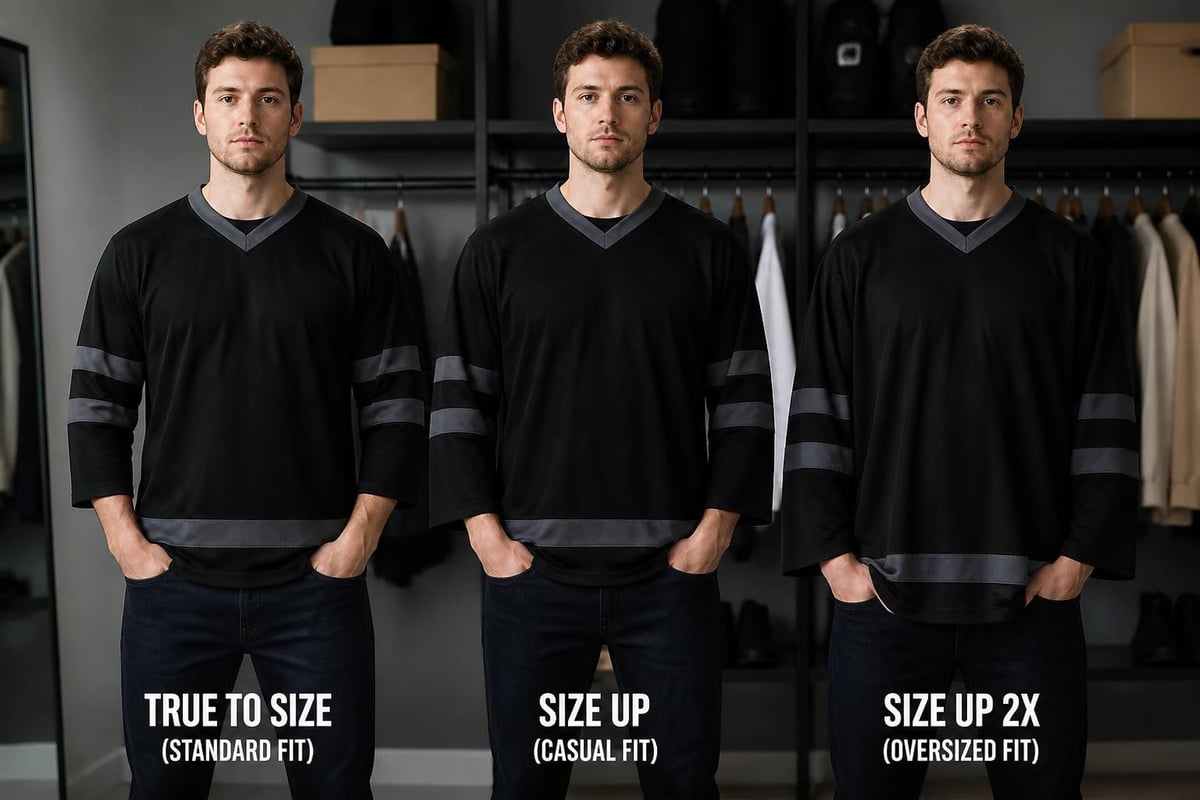
- Fit profiles from traditional loose cuts to compression-style athletic fits
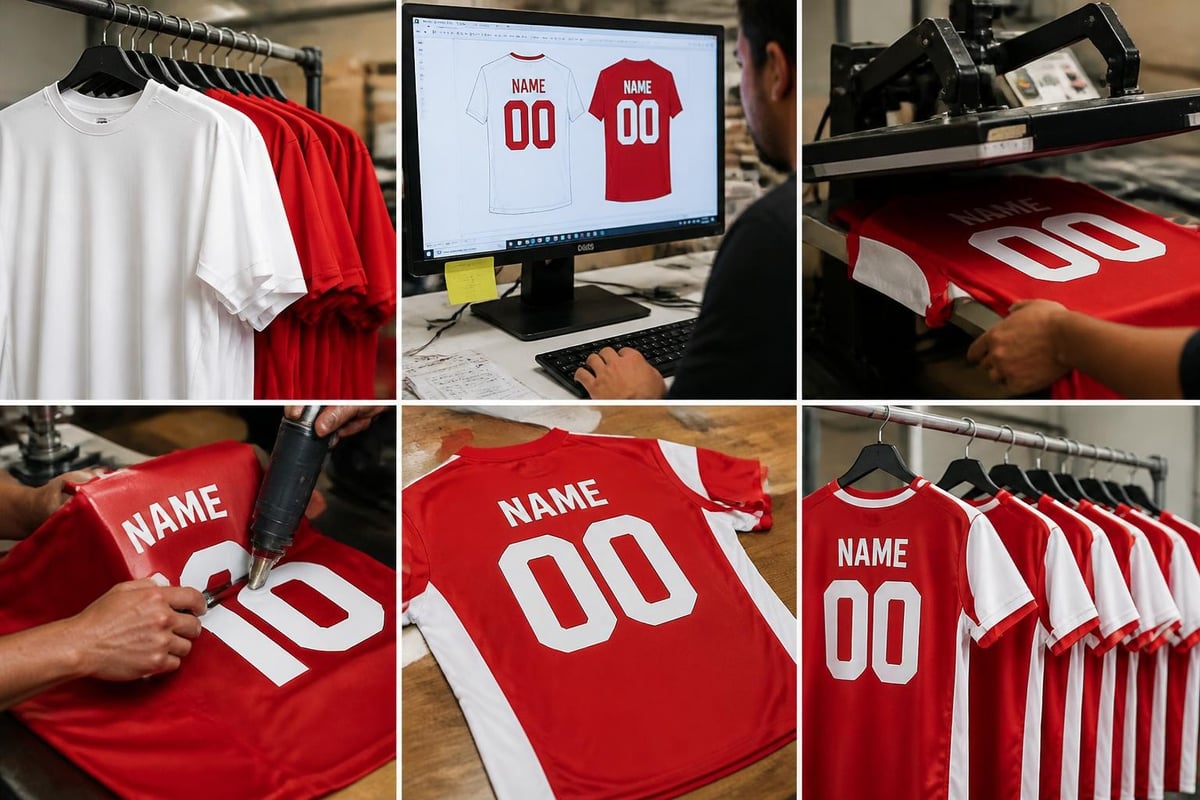
The technological foundation supporting this variety has matured significantly. Digital design tools enable real-time visualization of personalized elements before production begins, reducing errors and ensuring customer satisfaction.
Regulatory Framework for Kit Personalization
Professional competitions impose strict requirements on kit personalization to maintain competitive integrity and broadcast clarity. UEFA Equipment Regulations specify exact dimensions, placement zones, and contrast ratios for player names and numbers across all sanctioned tournaments.
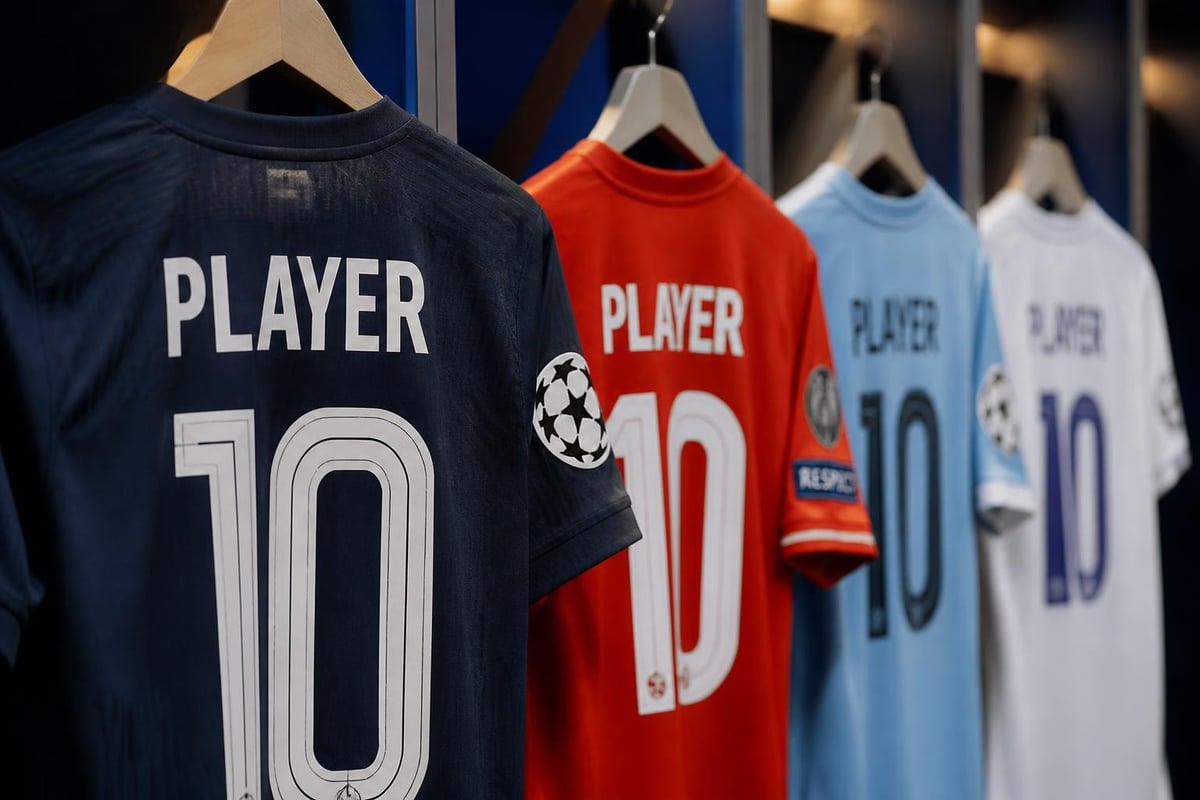
These standards cascade down through professional leagues to grassroots football, establishing expectations even recreational players recognize. Understanding these parameters ensures your personalized football kits maintain authentic appearance regardless of competitive level.
| Regulation Aspect | Professional Standard | Amateur Flexibility |
|---|---|---|
| Number height | 25-35 cm (back) | Recommended guidance |
| Name placement | 5 cm above number | Variable placement allowed |
| Font style | League-approved only | Open customization |
| Contrast ratio | Minimum 70% differentiation | Aesthetic preference |
Personalization Methods and Quality Considerations
The technique used to apply personalization directly impacts durability, appearance, and cost. Each method serves specific use cases and performance requirements.
Tackle Twill Stitching
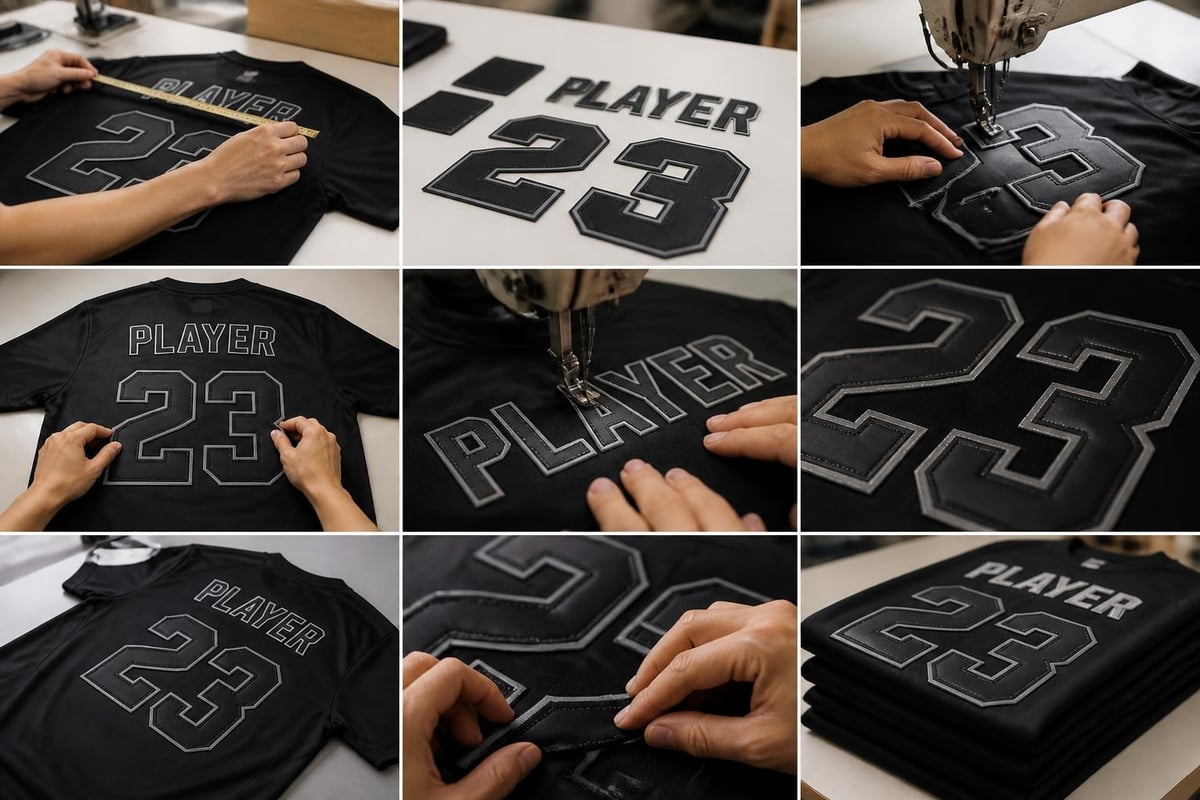
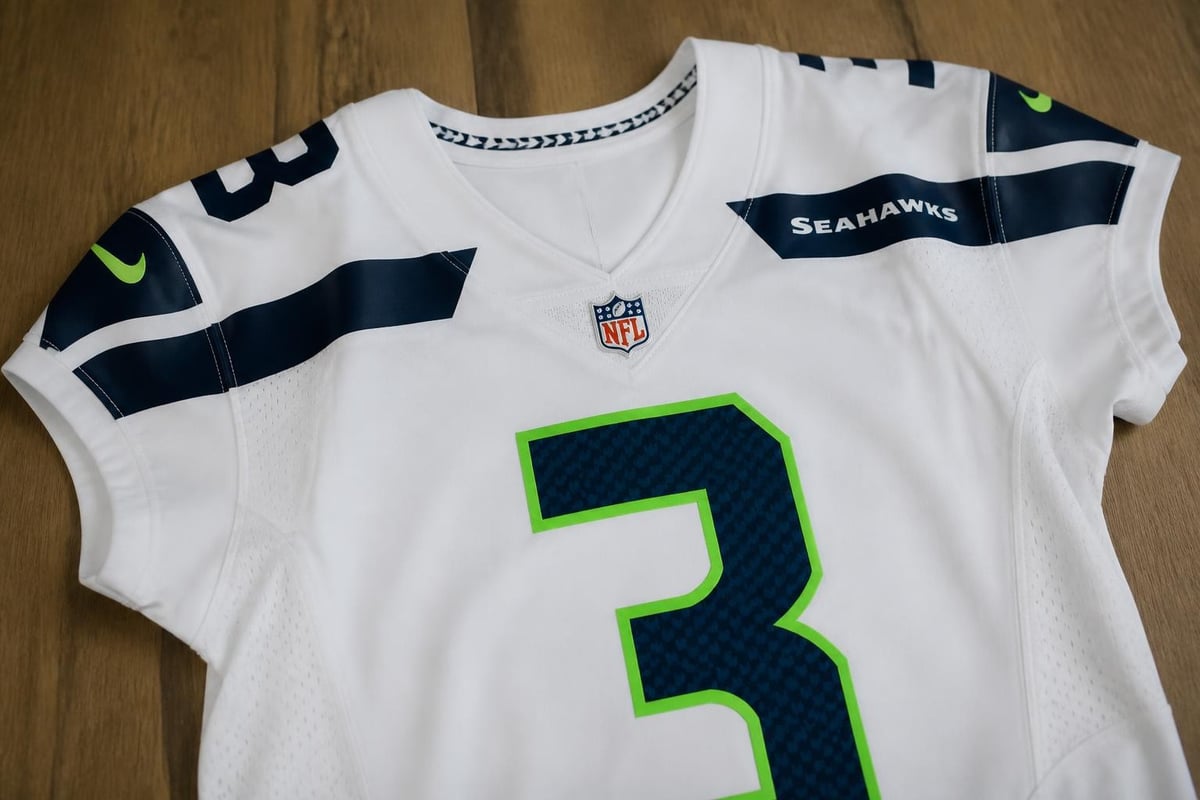
Tackle twill represents the premium standard for personalized football kits. This method involves cutting individual letters and numbers from layered fabric, then stitching them onto the jersey base with zigzag reinforcement. The result delivers exceptional durability through hundreds of wash cycles while maintaining sharp edges and vibrant colors.
Professional teams universally adopt tackle twill for match kits because the raised, three-dimensional appearance photographs well under stadium lighting and broadcasts clearly on television. The weight and texture also provide psychological confidence for elite athletes who associate the tactile quality with authentic competition apparel.
For custom orders, tackle twill requires longer production time-typically seven to fourteen days-because each character receives individual attention during the cutting and stitching process. This investment pays dividends in longevity, with properly maintained tackle twill personalization often outlasting the jersey fabric itself.
Heat Transfer and Vinyl Application
Heat-pressed vinyl offers an economical middle ground between screen printing and tackle twill. Modern vinyl materials incorporate flexible polymers that stretch with performance fabrics, preventing cracking during athletic movement. The application process heats specialized vinyl to approximately 160-180 degrees Celsius, bonding it permanently to the jersey surface.
Quality varies significantly across vinyl grades. Premium heat transfer materials maintain flexibility and color saturation through 50-plus wash cycles, while budget alternatives may peel or fade within a season. When ordering personalized football kits using heat transfer, verify the specific vinyl brand and expected durability metrics.
Dye-Sublimation Integration
Sublimation printing revolutionizes personalization by embedding graphics directly into polyester fibers at the molecular level. Research on dye-sublimation printing demonstrates how this process achieves permanent, fade-resistant results that never crack, peel, or add weight to the garment.
The technique excels for complex designs incorporating gradients, photographs, or intricate patterns impossible with traditional methods. However, sublimation works exclusively on white or light-colored polyester, limiting its application to specific kit designs and materials.
For teams seeking unlimited creative freedom in their personalized football kits, sublimation enables full-surface customization where every square centimeter can display unique graphics tailored to individual players or commemorative themes.
Sizing Technology and Fit Personalization
Beyond visual customization, fit personalization has emerged as a critical dimension of modern football kits. Athletes across all levels demand garments that accommodate their specific body proportions without restricting movement or causing discomfort during competition.
Traditional sizing charts based on chest circumference and height provide starting points, but they fail to capture the variation in shoulder width, torso length, and sleeve proportions that determine actual comfort. Digital body measurement technologies now enable mass-customization approaches where smartphone scans or in-store 3D systems capture 20-plus body dimensions in seconds.
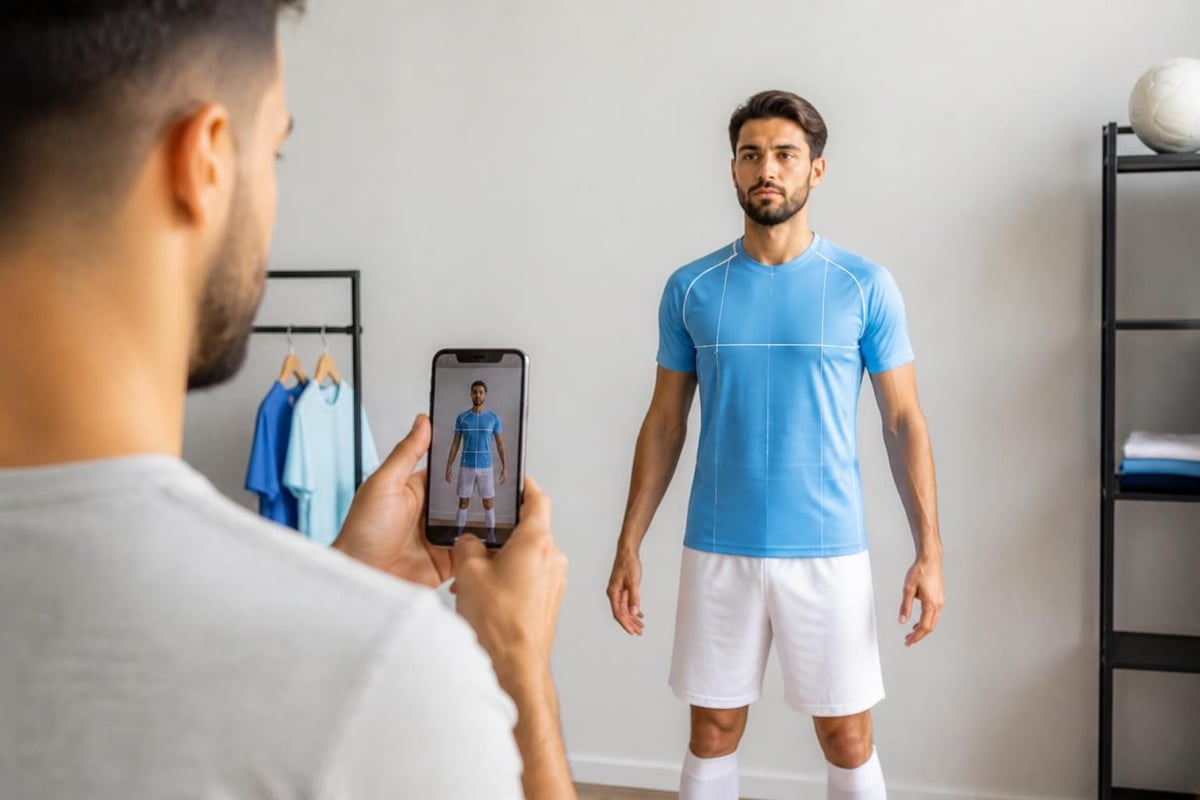
These measurements feed directly into production systems that adjust pattern blocks automatically, creating truly personalized football kits that fit individual athletes rather than forcing bodies into standardized size brackets. The sustainability implications prove significant, as properly fitted garments receive more wear and last longer before replacement.
Size Inclusive Customization
Modern consumers rightfully expect personalized football kits in every size. Progressive manufacturers now offer extended size ranges from youth XS through adult 5XL and beyond, ensuring supporters of all body types can represent their teams with authentic-quality personalization.
The technical challenge involves maintaining design integrity across this size spectrum. Graphics that look balanced on a medium jersey may appear distorted when scaled to 4XL dimensions. Sophisticated customization systems automatically adjust element positioning, scale, and proportions to preserve visual harmony regardless of garment size.
Intellectual Property and Licensing Considerations
Personalization enters complex legal territory when involving professional team marks, league logos, or commercial sponsorships. WIPO’s guidance on sport and branding clarifies how trademark protections extend to team colors, badge designs, and even distinctive kit patterns.
Legitimate suppliers of personalized football kits maintain licensing agreements with relevant leagues and teams, ensuring they possess legal authority to reproduce official marks. These agreements typically specify:
- Approved customization zones and restrictions
- Quality standards for mark reproduction
- Royalty structures compensating rights holders
- Audit requirements proving compliance
Consumers should verify that suppliers display official licensing credentials before ordering personalized football kits featuring professional team identities. Unlicensed products not only violate intellectual property law but often exhibit inferior quality that disappoints upon delivery.
Personal Name Rights
When creating personalized football kits with professional player names, additional considerations emerge. Elite players often control commercial usage of their names and likenesses through representation agreements. UEFA Champions League Regulations address how player identity rights interact with competition requirements, establishing frameworks other leagues often mirror.
For supporters ordering replica kits, this complexity rarely surfaces because leagues typically negotiate blanket agreements covering fan merchandise. However, commercial entities creating personalized football kits for resale must navigate these rights carefully to avoid infringement claims.
Sustainability in Personalized Kit Production
The environmental footprint of sports apparel has gained heightened attention as climate awareness grows. Personalized football kits present both challenges and opportunities within sustainable production frameworks.
On-demand customization reduces waste by eliminating unsold inventory that traditional bulk manufacturing generates. Rather than producing thousands of generic jerseys hoping to match demand, personalized production creates specific items only after customers order them. This fundamental shift minimizes textile waste while reducing the carbon emissions associated with storing and eventually discarding excess stock.
Material selection significantly impacts sustainability outcomes. Conventional polyester-the dominant football kit fabric-derives from petroleum and sheds microplastic fibers during washing. Progressive alternatives include:
- Recycled polyester from post-consumer plastic bottles
- Bio-based polyesters synthesized from plant sugars
- Natural-synthetic blends combining organic cotton with performance fibers
- Closed-loop fabrics designed for chemical recycling at end-of-life
The Higg Materials Sustainability Index provides standardized methodology for comparing material impacts across water consumption, greenhouse gas emissions, and chemical usage. Teams committed to sustainable personalized football kits can reference these assessments when selecting base fabrics and customization materials.
| Material Type | Relative Impact Score | Durability Rating | Cost Premium |
|---|---|---|---|
| Virgin polyester | Baseline (100) | Excellent | Standard |
| Recycled polyester | 35-45 | Excellent | 10-15% |
| Bio-polyester | 60-75 | Good | 25-40% |
| Organic cotton blend | 80-110 | Moderate | 30-50% |
Production Process Efficiency
Beyond materials, the personalization method affects environmental impact. Tackle twill stitching generates textile scraps during the cutting process, though these often consist of small quantities that can be collected for recycling. Heat transfer processes consume significant energy heating equipment to bonding temperatures but produce minimal material waste.
Dye-sublimation printing requires careful management of transfer paper waste and unused sublimation inks. However, modern sublimation systems achieve near-complete ink utilization through precision application that minimizes overspray and runoff.
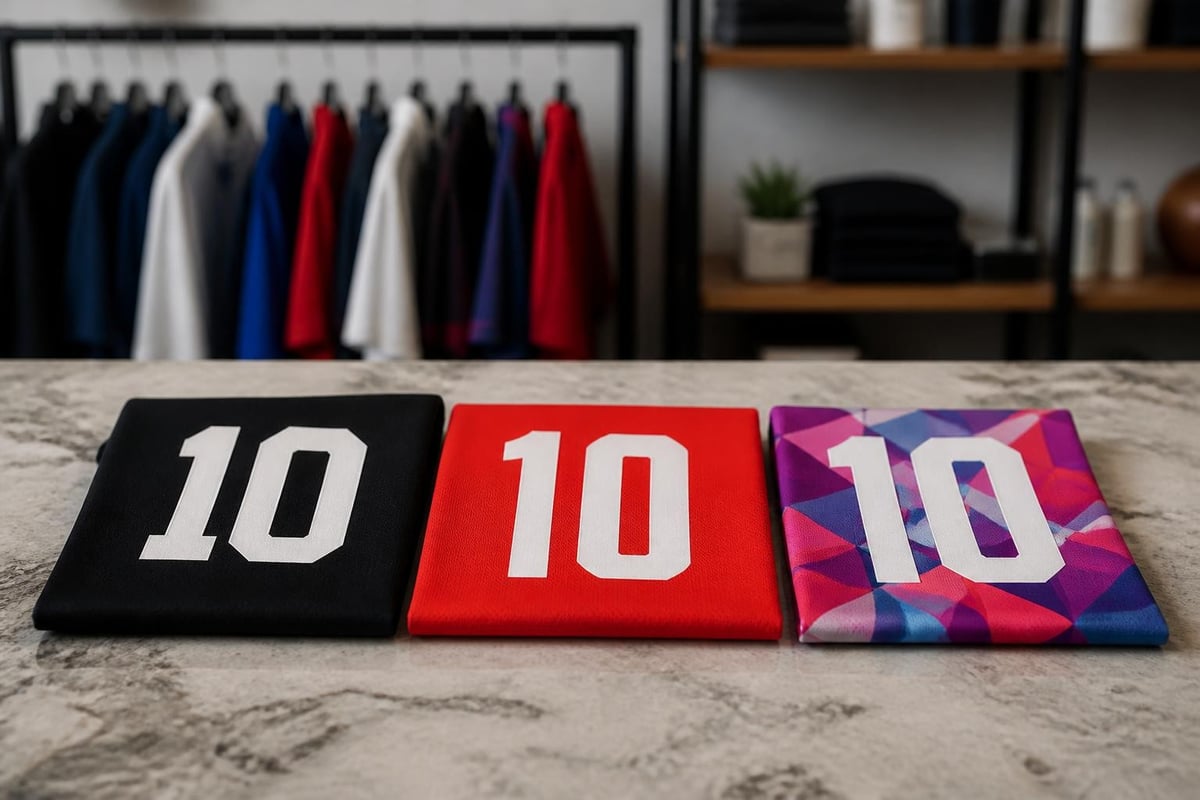
Teams and organizations ordering personalized football kits in bulk can request environmental impact assessments from suppliers, evaluating total carbon footprint including materials, production energy, shipping methods, and expected garment lifespan.
Business Applications for Custom Team Kits
Corporate teams, recreational leagues, and youth organizations represent substantial markets for personalized football kits. These customers prioritize different factors than professional clubs or individual supporters.
Youth Development Programs
Youth academies require personalized football kits that accommodate rapid growth while maintaining team identity across age groups. Smart programs invest in quality customization that transfers between jersey generations-for instance, using removable number systems that migrate from outgrown kits to new sizes as players develop.
Budget constraints often limit youth organizations, making cost-effective personalization methods essential. Heat transfer provides acceptable durability for one-to-two season lifespans at price points youth programs can sustain. As players advance to competitive travel teams, many programs upgrade to tackle twill for enhanced durability and professional appearance.
Corporate and Recreational Teams
Adult recreational leagues blend competitive spirit with social participation, creating unique requirements for personalized football kits. These customers value:
- Rapid turnaround to meet league registration deadlines
- Flexible minimum orders accommodating small team rosters
- Design customization creating distinctive identities separate from professional teams
- Price transparency with no hidden fees for standard personalization
Many corporate teams use personalized football kits as team-building investments, incorporating company colors and logos alongside player names. These dual-purpose garments serve both athletic and promotional functions, justifying higher per-unit investments than purely recreational applications.
Advanced Personalization Features
Premium personalization extends beyond names and numbers to create truly distinctive football kits. Advanced options include:
- Custom sleeve patches commemorating tournaments, anniversaries, or achievements
- Player-specific sizing with individualized measurements for each squad member
- Commemorative details honoring retiring players or championship victories
- Gradient numbering with multi-color transitions within individual characters
- QR code integration linking to player statistics or team information
These enhancements transform personalized football kits from standardized uniforms into meaningful artifacts that players treasure long after their competitive careers conclude.
Technology Integration
Emerging smart textiles enable personalization that extends into performance monitoring. Football kits incorporating flexible sensors can track biometric data, movement patterns, and impact forces during training and competition. While currently limited to elite professional applications, these technologies will gradually democratize as production costs decline.
The personalization dimension involves calibrating sensors to individual athletes and customizing data displays for specific positional requirements. Goalkeepers monitor different metrics than midfielders, requiring personalized football kits with position-appropriate sensor configurations.
Ordering Process and Timeline Management
Successful personalized football kit projects require careful planning and clear communication between customers and suppliers. Understanding production timelines prevents last-minute rushes that compromise quality or miss critical deadlines.
Standard Production Schedules
Typical lead times for personalized football kits vary by customization method:
- Heat transfer personalization: 5-7 business days after design approval
- Tackle twill application: 10-14 business days for complete production
- Full sublimation kits: 14-21 business days including design, printing, and assembly
- Rush orders: 3-5 day expedited service available at 30-50% premium
Bulk orders exceeding 50 units often require extended timelines to maintain quality control across the full production run. Suppliers should provide specific delivery dates at order confirmation, accounting for customization complexity and current production volume.
Design Approval Workflow
Professional suppliers provide digital mockups showing exact personalization placement, colors, and proportions before beginning production. This approval stage prevents costly errors and ensures customers receive precisely what they envision.
The typical workflow includes:
- Initial consultation establishing customization requirements
- Digital proof generation showing all personalization elements
- Customer review and revision requests
- Final approval triggering production commencement
- Quality inspection before shipment
Teams ordering personalized football kits should allocate 2-3 days for this approval process, recognizing that rushing through design review increases error probability.
Care and Maintenance for Longevity
Proper maintenance extends the lifespan of personalized football kits significantly, protecting both the base garment and customized elements. Different personalization methods require tailored care approaches.
Tackle twill care: Turn jerseys inside-out before washing to minimize friction on stitched elements. Use cold water and mild detergent, avoiding bleach or fabric softeners that degrade adhesives. Air drying prevents heat damage to stitching threads.
Heat transfer maintenance: Wash in cold water exclusively, as temperatures above 30 degrees Celsius can soften vinyl adhesives. Never iron directly on heat-transferred elements. If wrinkled, turn inside-out and iron the back side on low temperature.
Sublimated kit care: These garments tolerate higher temperatures because dyes integrate at the molecular level. However, harsh detergents can gradually fade colors. Use pH-neutral sports detergents and avoid chlorine bleach.
All personalized football kits benefit from prompt washing after use, as dried sweat and grass stains become increasingly difficult to remove over time. Store clean, completely dry jerseys in cool, dark locations to prevent UV degradation of colors and materials.
Personalized football kits deliver far more than aesthetic customization-they create emotional connections between athletes and their sport while meeting exacting performance and regulatory standards. Whether you’re outfitting a competitive squad or seeking an authentic supporter jersey, understanding customization methods, sizing technology, and quality markers ensures your investment delivers lasting value. My Size Jersey specializes in authentic-style custom jerseys with professional tackle twill personalization across all major sports leagues, offering any size configuration with competitive pricing and expert guidance through every step of the customization process.
Football Jerseys from My Size Jersey, any name, any number any style up to size 10X standard
https://www.mysizejersey.is/nfl-c247.html
Email Information: mysizejersey@gmail.com