
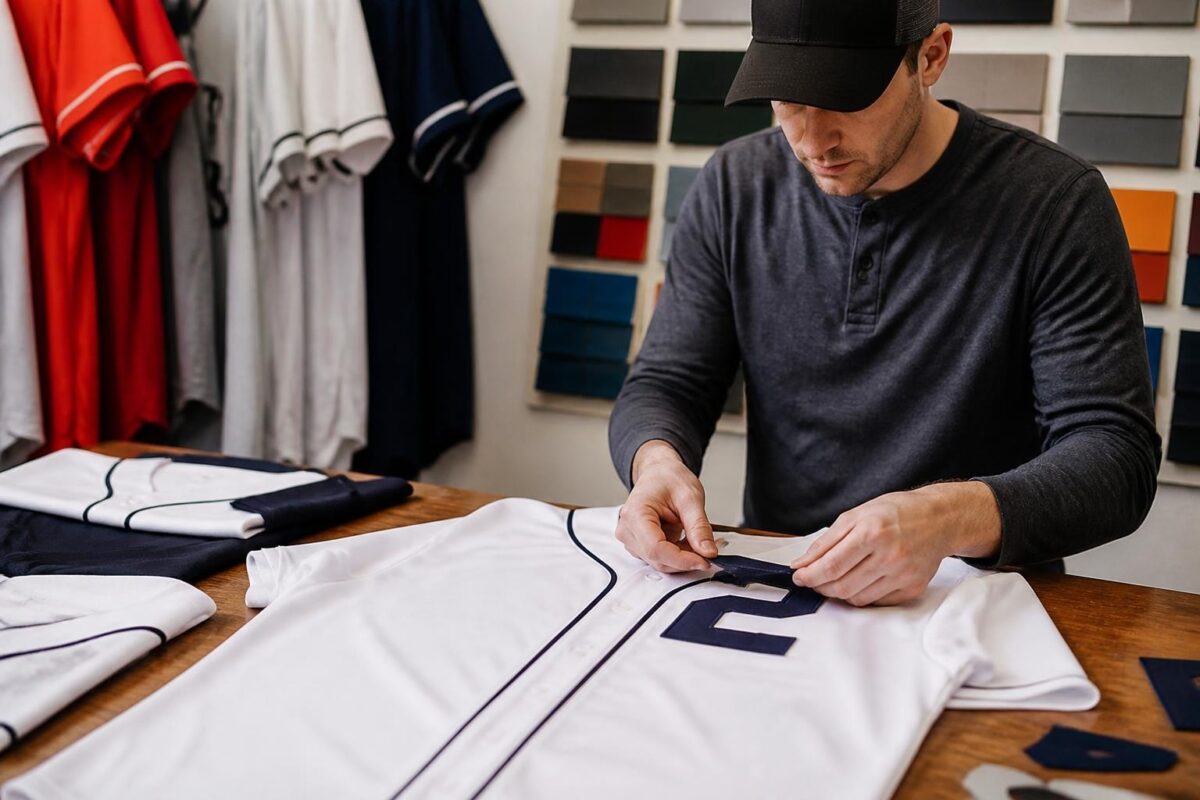
Custom baseball jerseys have evolved from simple team uniforms into powerful expressions of team identity, personal style, and athletic pride. Whether you're outfitting a Little League team, creating throwback jerseys for a softball league, or designing commemorative apparel for a company tournament, understanding the nuances of ordering a baseball jersey shirt custom piece ensures you get professional-quality results that stand up to game-day demands. The customization process involves far more than simply selecting colors and adding names-it requires careful consideration of materials, construction methods, sizing standards, and design regulations that vary across different leagues and age groups.
Understanding Baseball Jersey Construction Methods
The foundation of any quality baseball jersey shirt custom order starts with understanding how the garment is constructed. Professional-grade jerseys typically feature three primary construction methods, each offering distinct advantages for different applications and budgets.
Tackle Twill and Stitched Lettering
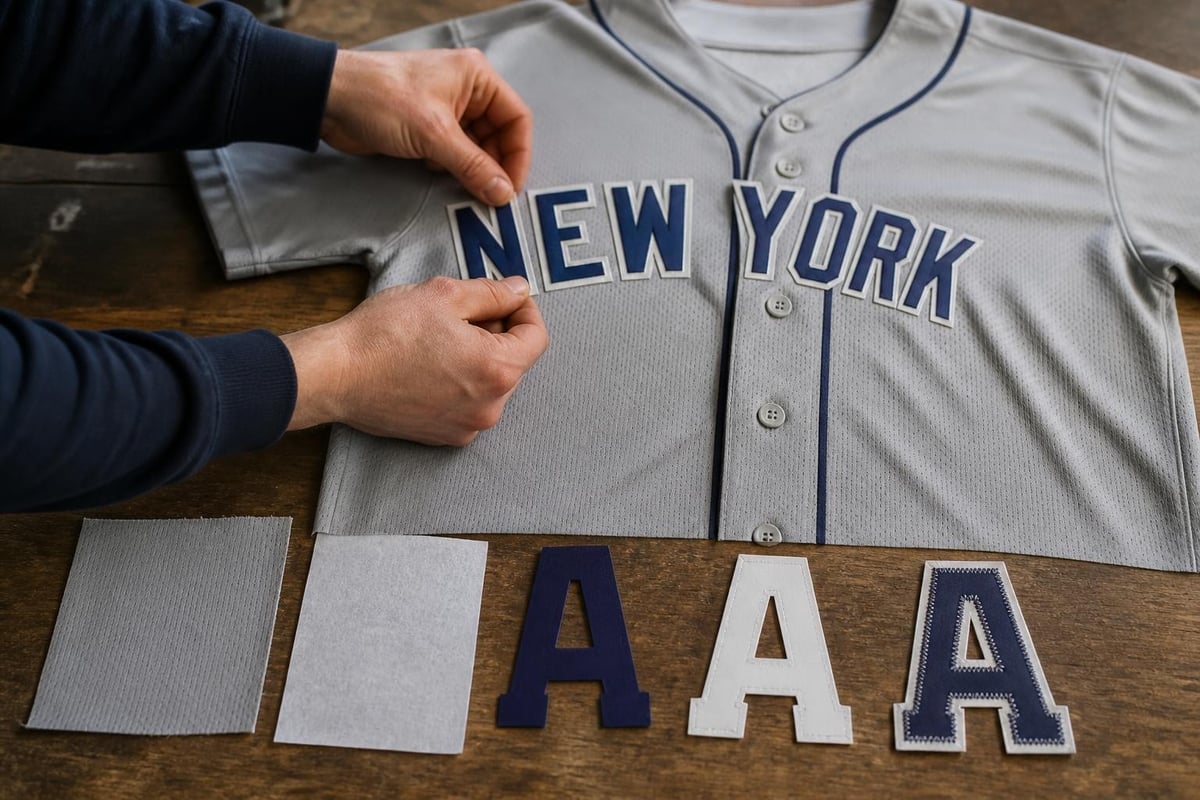
Tackle twill represents the gold standard in baseball jersey customization. This method uses layered fabric letters and numbers that are precisely cut and then stitched directly onto the jersey base. The multi-layer construction creates a dimensional, authentic appearance identical to what professional players wear on the field.
Key advantages of tackle twill construction:
- Exceptional durability through reinforced stitching
- Professional appearance with raised lettering
- Resistant to peeling, cracking, and fading
- Authentic texture and weight distribution
- Suitable for frequent washing and intensive use
The stitching process itself matters significantly. Quality custom jerseys use chain-stitch or lock-stitch methods that secure each letter through multiple thread passes, creating bonds that withstand the rigors of sliding, diving, and repeated laundering cycles.
Screen Printing and Heat Transfer Options
For budget-conscious teams or short-term needs, screen printing and heat transfer provide viable alternatives. Screen printing applies ink directly to the fabric surface through mesh screens, creating flat graphics that work well for simple designs and large quantity orders. Heat transfer uses pressure and temperature to bond pre-printed designs onto jersey material.
| Method | Durability | Cost | Best Use Case | Typical Lifespan |
|---|---|---|---|---|
| Tackle Twill | Excellent | Higher | Game jerseys, long-term use | 5+ years |
| Screen Print | Good | Moderate | Practice jerseys, event shirts | 2-3 years |
| Heat Transfer | Fair | Lower | Promotional items, one-time events | 1-2 years |
While these methods cost less initially, they may require replacement sooner, particularly for teams that practice and play frequently throughout extended seasons.
Material Selection for Performance and Comfort
Modern baseball jersey shirt custom orders offer numerous fabric choices, each engineered for specific performance characteristics. The material you select directly impacts player comfort, durability, and overall satisfaction with the final product.
Moisture-Wicking Performance Fabrics
Today's standard for athletic jerseys centers on polyester-based moisture-wicking fabrics. These engineered materials pull perspiration away from skin and distribute it across the fabric surface for rapid evaporation. This technology keeps players cooler and drier during intense games and hot weather conditions.
Performance fabric specifications typically include:
- 100% polyester mesh: Lightweight, maximum breathability, quick-drying
- Polyester-spandex blends: Added stretch for mobility, form-fitting designs
- Microfiber polyester: Softer hand feel, reduced friction, enhanced comfort
- Antimicrobial treatments: Odor control for multi-game tournaments
Weight matters too. Jersey fabrics range from 3.5 to 6 ounces per square yard. Lighter weights (3.5-4.5 oz) suit warm climates and high-intensity play, while heavier weights (5-6 oz) provide better durability for rough play and cooler conditions.
Traditional Cotton and Blended Options
Some leagues and teams prefer traditional cotton or cotton-blend jerseys for their classic feel and appearance. Modern cotton jerseys often incorporate ringspun cotton for enhanced softness and durability compared to standard cotton fibers.
Cotton-polyester blends (typically 50/50 or 60/40) offer compromise solutions that provide cotton's natural comfort with polyester's durability and shape retention. These blends work particularly well for recreational leagues where authentic athletic performance takes secondary priority to comfort and affordability.
Sizing Standards and Fit Considerations
Proper sizing represents one of the most critical aspects of ordering a baseball jersey shirt custom collection. Unlike off-the-rack apparel, custom jerseys should be ordered using athletic sizing standards that account for the garment's intended use and wear patterns.
Youth, Adult, and Extended Sizing Charts
Baseball jerseys typically follow distinct sizing scales for youth and adult players. Youth sizes (XS-XL) are cut shorter in both body length and sleeve length, with narrower shoulders and chest measurements. Adult sizes start at small and extend through 5XL or larger in many product lines.
Critical measurements for accurate sizing:
- Chest circumference at the fullest point
- Body length from high shoulder point to desired hem
- Sleeve length from center back neck to wrist
- Shoulder width across the back
Many teams order sample jerseys in multiple sizes before committing to full team orders. This practice eliminates sizing surprises and ensures player satisfaction, particularly when outfitting teams with wide size ranges.
Game Fit Versus Loose Fit Styles
Baseball jerseys traditionally feature a relaxed fit that allows unrestricted movement and accommodates protective equipment underneath. However, modern preferences have introduced multiple fit profiles for different positions and player preferences.
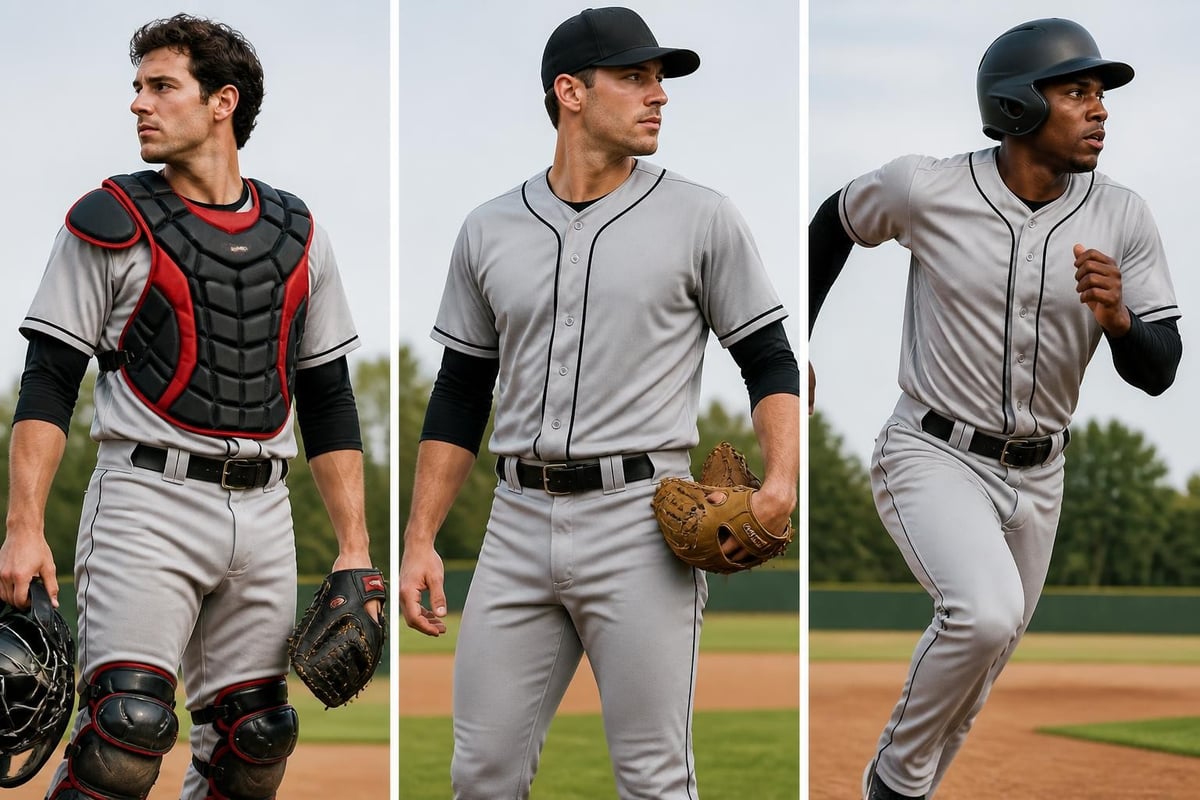
Game fit or athletic fit jerseys offer a more tailored appearance while maintaining mobility. These cuts reduce excess fabric that can interfere with fielding and running. Button-front jerseys typically run larger than pullover styles due to their traditional construction and overlap allowance.
Design Elements and Customization Options
Creating a baseball jersey shirt custom design involves balancing aesthetic preferences with practical considerations and league regulations. Most organizations have specific requirements regarding number size, placement, and color contrast that must be addressed during the design phase.
Color Schemes and Team Branding
Professional baseball has seen significant evolution in uniform design and color application. Major League Baseball's recent uniform changes reflect the sport's ongoing adaptation to modern manufacturing techniques and fan preferences, as detailed in MLB’s approach to jersey design standards.
Your custom jersey color selections should consider:
- Primary team colors that reflect organizational branding
- Contrast requirements for number and letter visibility
- Sublimation printing capabilities for complex patterns
- Color fastness ratings for long-term appearance retention
Many teams create multiple jersey variations-home whites, road grays, and alternate colors-to maximize versatility and visual interest throughout the season. Piping, trim colors, and accent panels add dimensional interest without significantly increasing production costs.
Number and Name Placement Regulations
League regulations often dictate specific requirements for number size and placement. NCAA Division I baseball, for instance, maintains detailed uniform standards outlined in their participant manuals and championship materials, including minimum number heights and institutional apparel compliance rules.
Common placement standards include:
| Location | Typical Size | Spacing Requirements |
|---|---|---|
| Back numbers | 8-10 inches tall | Centered below collar |
| Front numbers | 4-6 inches tall | Left chest or centered |
| Sleeve numbers | 3-4 inches tall | Left or both sleeves |
| Player names | 2-3 inches tall | Arched above back number |
Front chest logos typically range from 3 to 5 inches in height, positioned above or in place of front numbers depending on design preferences and league allowances.
Quality Assurance and Production Timelines
Understanding production processes helps set realistic expectations for delivery and ensures quality standards are met. Baseball jersey shirt custom orders require multiple production stages, each adding time to the overall manufacturing cycle.
Manufacturing Process Steps
Professional custom jersey production follows a structured workflow:
- Design approval and digitization (1-3 days)
- Fabric cutting and panel preparation (2-4 days)
- Tackle twill cutting and positioning (2-3 days)
- Stitching and assembly (3-5 days)
- Quality inspection and corrections (1-2 days)
- Final pressing and packaging (1 day)
Rush orders can compress these timelines but may incur additional fees and limit customization options. Standard production runs typically require 2-3 weeks from final approval to shipping, while complex designs with extensive customization may need 4-6 weeks.
Inspection Criteria and Quality Checkpoints
Reputable manufacturers implement quality control measures at multiple production stages. Critical inspection points include verifying accurate personalization details, checking stitch integrity, confirming proper alignment of graphics, and examining fabric for defects or inconsistencies.
Request digital mockups or physical samples before authorizing full production runs. This preview opportunity catches design errors, color mismatches, or sizing issues before they affect entire team orders.
Care and Maintenance for Longevity
Proper care significantly extends the lifespan of custom baseball jerseys. Following manufacturer guidelines and understanding textile care standards helps preserve appearance and structural integrity through multiple seasons.
Washing and Drying Best Practices
The Federal Trade Commission requires permanent care labels on garments sold in the United States, as explained in their guidance on care labeling requirements. These labels provide legally required instructions that manufacturers have tested and verified as safe for the garment.
Recommended care practices for baseball jerseys:
- Turn jerseys inside out before washing to protect graphics
- Use cold water wash cycles to prevent color bleeding
- Select gentle or permanent press cycles for reduced agitation
- Avoid chlorine bleach that degrades polyester and fades colors
- Remove promptly from washer to prevent wrinkles and mildew
- Air dry when possible or use low heat tumble dry settings
- Never iron directly on tackle twill or printed graphics
For heavily soiled jerseys with grass stains or clay, pre-treat stains with enzyme-based cleaners before washing. Avoid fabric softeners that can coat moisture-wicking fibers and reduce their performance characteristics.
Storage and Seasonal Maintenance
Off-season storage requires attention to prevent damage from pests, moisture, and prolonged folding. Clean all jerseys thoroughly before storage to remove body oils and residues that attract insects and cause fabric degradation.
Store jerseys on hangers in cool, dry locations away from direct sunlight. If hanging storage isn't available, fold jerseys loosely with acid-free tissue paper between layers to prevent crease marks. Avoid plastic bags that trap moisture-instead use breathable garment bags or cotton storage containers.
Budget Planning and Cost Considerations
Baseball jersey shirt custom orders span a wide price range depending on construction quality, customization complexity, and order quantities. Understanding cost factors helps teams allocate budgets effectively and make informed purchasing decisions.
Price Factors and Volume Discounts
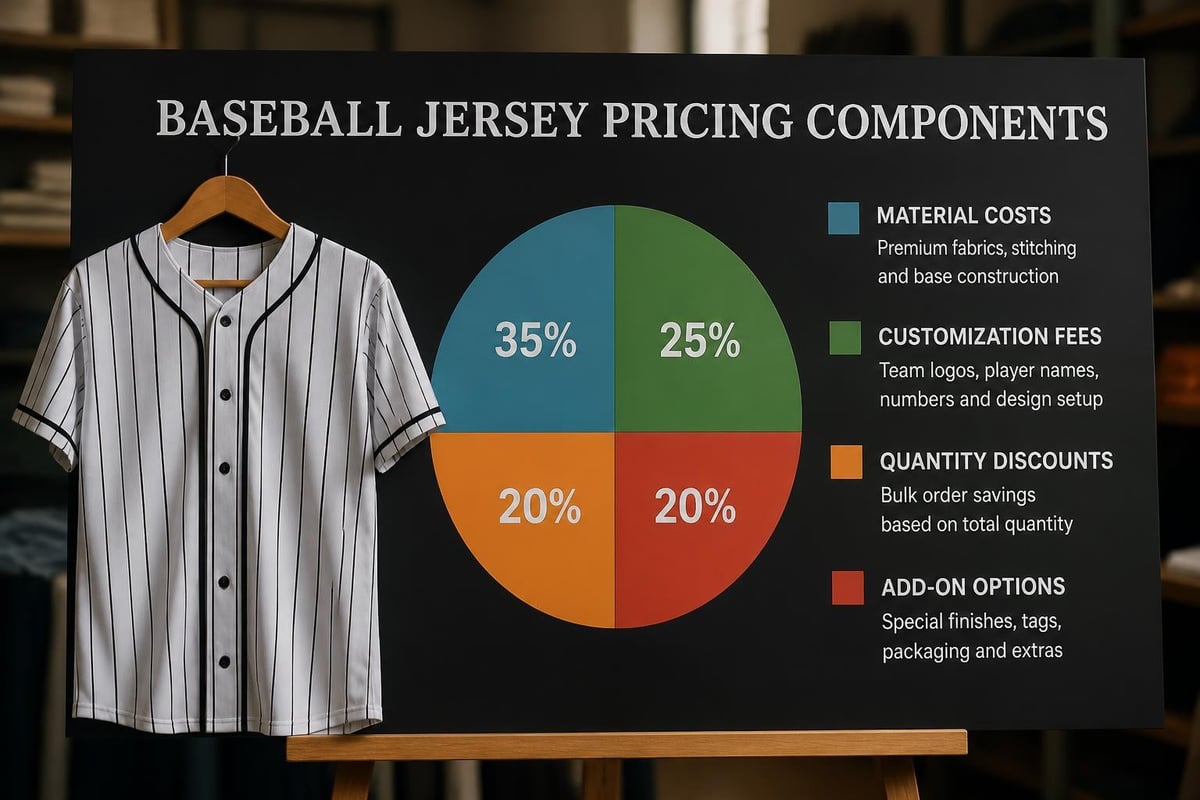
Individual custom jersey prices typically range from $30 to $150 per piece, with the following factors influencing final costs:
- Base jersey quality and fabric type
- Customization method (tackle twill, screen print, heat transfer)
- Number of personalization areas (front, back, sleeves, sides)
- Order quantity (bulk discounts typically start at 12+ pieces)
- Rush production fees for expedited delivery
- Specialty elements like sublimation, gradient colors, or custom patterns
Volume discounts can reduce per-unit costs by 20-40% for larger team orders. Many suppliers offer tiered pricing structures that reward bulk purchases while maintaining quality standards across all quantity levels.
Fundraising and Sponsorship Strategies
Teams often offset custom jersey costs through fundraising activities and sponsor partnerships. Common approaches include selling commemorative versions to fans and families, securing local business sponsorships in exchange for logo placement, organizing team fundraising events, and applying for youth sports grants from community organizations.
Sponsor logos typically appear on jersey sleeves or below the front chest area. Establish clear agreements regarding logo size, placement, and duration before finalizing sponsorship arrangements.
Ordering Process and Vendor Selection
Selecting the right supplier for your baseball jersey shirt custom order significantly impacts satisfaction with the final product. Evaluating vendors based on multiple criteria ensures you receive quality jerseys that meet specifications and arrive on schedule.
Evaluating Supplier Credentials
Quality custom jersey suppliers demonstrate their capabilities through:
- Portfolio of previous work showing diverse design examples
- Clear size charts with detailed measurement instructions
- Transparent pricing without hidden fees or surprise charges
- Responsive customer service that answers technical questions
- Production timeline commitments with delivery guarantees
- Return and exchange policies for sizing or quality issues
Request references from previous customers, particularly teams with similar size orders and customization requirements. Online reviews provide additional insight into supplier reliability and product quality.
Digital Design Tools and Proof Approval
Modern suppliers offer online design tools that let you visualize jerseys before ordering. These configurators typically include options for selecting base colors, adding text and numbers, uploading logos, and previewing different angles of the finished product.
Always request and carefully review digital proofs before authorizing production. Verify all spelling in player names, confirm number accuracy, check color representations, and ensure logo placement matches specifications. Most errors caught during the proof stage can be corrected at no charge, while post-production changes often require remanufacturing at full cost.
Compliance with League and Safety Standards
Different baseball organizations maintain specific uniform requirements that custom jerseys must satisfy. Understanding these regulations before designing and ordering prevents costly rejections and ensures player eligibility.
Youth League and School Requirements
Youth baseball organizations like Little League, PONY, and Babe Ruth maintain uniform standards that typically address number size minimums, prohibited decorative elements, safety equipment compatibility, and appropriate length specifications for jerseys.
School and high school athletic associations often have additional restrictions on commercial logos, require school names on jerseys, and mandate specific number fonts or colors. Contact league officials before finalizing designs to confirm compliance with all applicable regulations.
Professional and Collegiate Specifications
Higher competition levels implement more stringent uniform standards. Understanding these requirements helps teams and manufacturers ensure compliance and maintain player eligibility during official competitions and tournaments.
Creating the perfect baseball jersey shirt custom collection requires balancing design vision with practical considerations like durability, sizing accuracy, and regulatory compliance. Whether you're outfitting a youth recreational team or designing premium uniforms for competitive play, attention to material quality, construction methods, and proper care ensures your investment delivers seasons of reliable performance. My Size Jersey specializes in authentic-style custom baseball jerseys featuring professional-grade tackle twill construction, precise sizing in any dimension, and personalized details that make every player feel like a champion. Start designing your team's custom jerseys today and experience the difference that quality craftsmanship makes on and off the field.
All our Jerseys are custom-made to order and offered in a wide range of sizes, Big and Tall Jerseys My Size Jerseys Any Size Team Custom made. Tackle twill stitched with full embroidery is our standard. Men’s jerseys from Extra Small (size 34) to Men’s 10X (size 86) are standard sizes for us. We are one of a very few offering jerseys in Big Men’s Sizing, so the whole family can have jerseys. Child and Ladies sizes are available if requested. Please always review our size charts for the custom sizes we have delvopled for our clients. Also our production times are lower than most suppliers, with no layout costs or minimum units required Can provide any jersey with any name, number, and size requested. We ship Worldwide.
More Information: https://www.mysizejersey.is/index.php
Email: mysizejersey@gmail.com