
The white jersey holds a special place in sports tradition, representing home team advantage, clean aesthetics, and timeless appeal across every major professional league. From the NFL to the NHL, teams have relied on white uniforms to create visual contrast, maintain competitive balance, and connect with generations of fans. Whether you're outfitting a youth league, creating custom team apparel, or simply appreciating the technical excellence behind modern athletic wear, understanding what makes a quality white jersey matters more than ever in 2026.
The Enduring Appeal of White Jerseys in Professional Sports
White jerseys serve as the foundation of team identity across American professional sports. The NBA adopted white home jerseys as a standard for decades, creating an association between white uniforms and home-court advantage. Baseball's tradition runs even deeper, with most MLB teams wearing white at home since the sport's earliest professional days.
The practical advantages of white athletic wear extend beyond tradition:
- Superior heat reflection in outdoor sports, keeping athletes cooler during summer games
- Enhanced visibility for officials, cameras, and spectators tracking player movement
- Versatility in pairing with any team color scheme or accent shade
- Classic appearance that photographs well under stadium lighting
Football represents an interesting evolution in white jersey usage. While the NFL once required teams to wear white on the road, many franchises now choose white at home in warm-weather markets. The Dallas Cowboys famously bucked convention by wearing white jerseys at home for most of their history, turning what was once a road uniform into their signature look.

Technical Fabric Considerations for White Athletic Apparel
Modern white jerseys incorporate advanced textile engineering far removed from simple cotton construction. Moisture management stands as the primary performance criterion, with porosity and wicking properties directly impacting athlete comfort during competition. White polyester blends dominate today's market because they combine durability with moisture transport capabilities.
The challenge with white fabric lies in maintaining opacity while maximizing breathability. Manufacturers must balance thread count, weave density, and fiber composition to prevent see-through issues without sacrificing ventilation. Double-knit construction offers one solution, creating a denser fabric that remains opaque even when saturated with perspiration.
| Fabric Type | Moisture Wicking | Durability | Opacity | Typical Use |
|---|---|---|---|---|
| 100% Polyester Mesh | Excellent | Very High | Moderate | Basketball, Football |
| Poly-Spandex Blend | Very Good | High | Good | Baseball, Hockey |
| Cotton-Poly Blend | Moderate | Moderate | Excellent | Casual/Replica Wear |
| Technical Double-Knit | Excellent | Very High | Excellent | Premium Game Jerseys |
Heat retention becomes less problematic with white jerseys compared to darker colors, but fabric weight still matters. Lightweight mesh panels in strategic zones enhance airflow without compromising the structural integrity needed for tackle twill embroidery and tackle applications.
Design Elements That Define Quality White Jerseys
Authentic white jerseys distinguish themselves through construction details rather than color alone. Tackle twill lettering represents the gold standard, with individual fabric letters and numbers stitched through the jersey body rather than simply applied to the surface. This technique creates dimension, durability, and the tactile quality fans associate with professional-grade apparel.
Premium white jersey construction includes:
- Multi-layer tackle twill numbers with contrasting color outlines
- Reinforced shoulder seams to support nameplate weight
- Tapered athletic cuts that accommodate pads without excess fabric
- Breathable mesh panels positioned for maximum ventilation
- Quality control standards ensuring consistent sizing across production runs
The white base provides an ideal canvas for team colors to stand out. Navy, red, black, and green all create striking contrast against white backgrounds. Designers often use multiple outline colors on numbers and letters, creating depth that wouldn't be possible on darker jersey backgrounds.
Customization Options for Team and Individual Needs
White jerseys offer unmatched flexibility for customization programs. Teams can incorporate school colors, sponsor logos, commemorative patches, and individual player names without the color-matching challenges that plague darker uniforms. The neutral base accepts any color thread or vinyl application cleanly.
Sizing considerations become critical when ordering white jerseys for diverse team rosters. Youth leagues need options spanning child sizes through adult dimensions, while adult recreational leagues require extended sizing to accommodate all body types. Quality suppliers maintain size consistency using standardized measurement protocols that ensure a size 44 jersey fits the same whether ordered in white, red, or any other color.
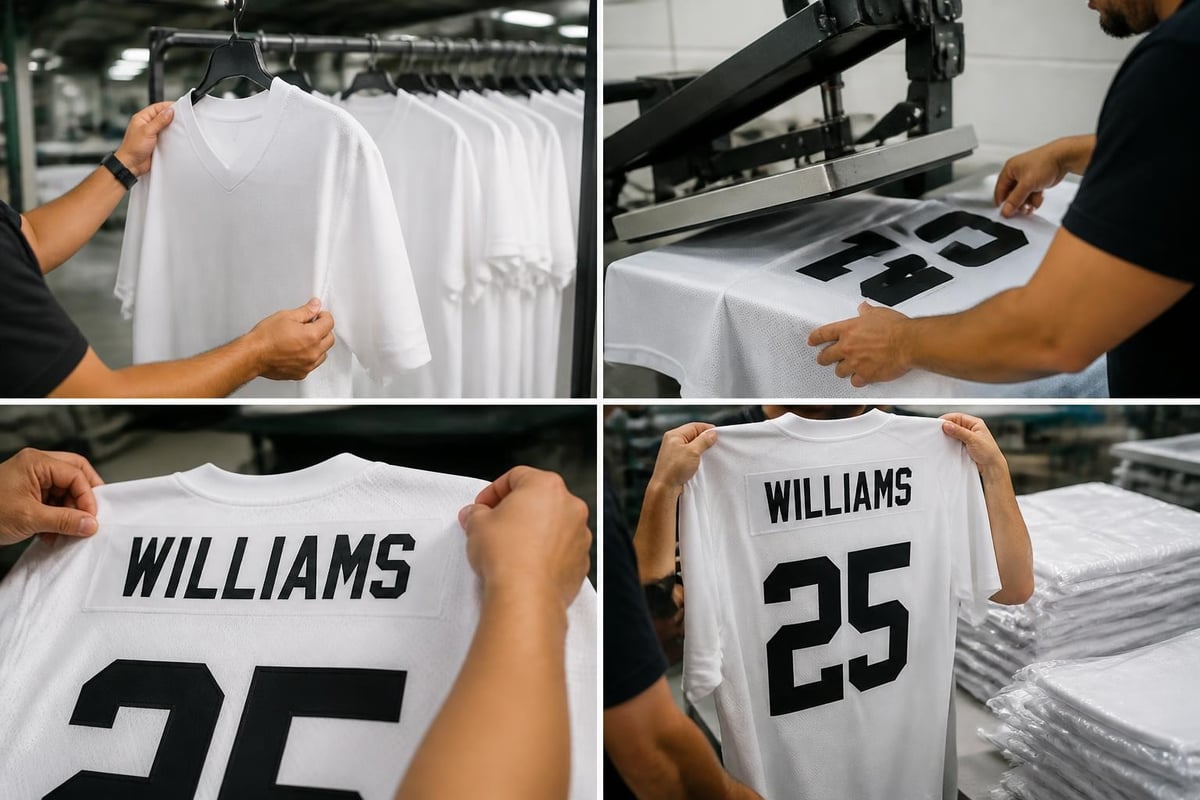
Number placement follows league-specific guidelines, but white jerseys generally feature front chest numbers and larger back numbers. Some sports add sleeve numbers or pants numbers depending on visibility requirements and tradition. The white background ensures all numbering remains legible from any viewing distance.
Maintenance and Longevity of White Athletic Wear
White jerseys demand more careful maintenance than colored alternatives, but proper care extends their lifespan significantly. Grass stains, dirt, and general soiling show immediately on white fabric, requiring prompt treatment to prevent permanent discoloration. Pre-treatment with enzyme-based stain removers before washing addresses most common athletic stains.
Best practices for white jersey care include:
- Washing in cold water with color-safe bleach alternatives
- Avoiding fabric softeners that can trap odors in synthetic fibers
- Air drying when possible to prevent heat-related shrinkage
- Storing away from direct sunlight to prevent yellowing
- Treating stains immediately after games rather than allowing them to set
The quality of the original garment determines how well it withstands repeated washing cycles. Inferior white jerseys often yellow after a dozen washes, while professional-grade fabrics maintain their brightness through an entire season and beyond. Thread quality matters equally, as cheap polyester thread can fade or weaken even when the base fabric holds up.
Tackle twill construction proves especially durable on white jerseys because the stitching penetrates multiple layers of fabric. Unlike heat-pressed graphics that eventually crack and peel, properly applied tackle twill should outlast the jersey body itself. Reinforced stitching around number edges prevents fraying even after years of washing and wearing.
Authenticity Verification and Counterfeit Concerns
The market for sports jerseys includes significant counterfeit activity, with white jerseys among the most frequently copied designs. Replica and knockoff white jerseys often use inferior materials, incorrect fonts, and substandard construction methods that become apparent only after purchase. Understanding how customs enforcement handles suspected counterfeit apparel helps consumers appreciate the importance of purchasing from legitimate suppliers.
Authentic white jerseys feature consistent stitching density, properly aligned graphics, and licensed team logos that match official specifications. The fabric weight, collar construction, and tag placement all follow standardized patterns that counterfeiters struggle to replicate accurately.
| Authenticity Indicator | Genuine Jersey | Counterfeit Jersey |
|---|---|---|
| Tackle Twill Stitching | Tight, even, multi-layer | Loose, irregular, single-layer |
| Fabric Weight | Consistent, appropriate for sport | Often too light or heavy |
| Team Logo Detail | Sharp edges, correct colors | Fuzzy, off-colors |
| Size Tag Information | Comprehensive, legible | Minimal, poor translation |
| Price Point | Market-appropriate | Suspiciously low |
White jersey authenticity extends beyond avoiding legal issues to ensuring performance and durability. Counterfeit jerseys typically lack the moisture management properties and construction quality needed for actual athletic use, making them unsuitable for anything beyond casual wear.
League-Specific White Jersey Traditions
Each major sport has developed unique conventions around white jersey usage that influence design choices and fan expectations. Understanding these traditions helps teams and organizations select appropriate styles for their context.
Hockey maintains perhaps the strictest color conventions, with home teams traditionally wearing white until the league switched to dark home jerseys in 2003. Many teams retained white as an alternate option, and international hockey still features white jerseys prominently. The NHL white jersey often includes more elaborate shoulder yoke designs than other sports, reflecting hockey's aesthetic preferences.
Baseball's white home jerseys remain largely unchanged in concept since the 19th century, though modern moisture-wicking fabrics have replaced flannel. The white jersey represents baseball's connection to tradition, with teams rarely deviating from white at home except for special throwback or alternate games.
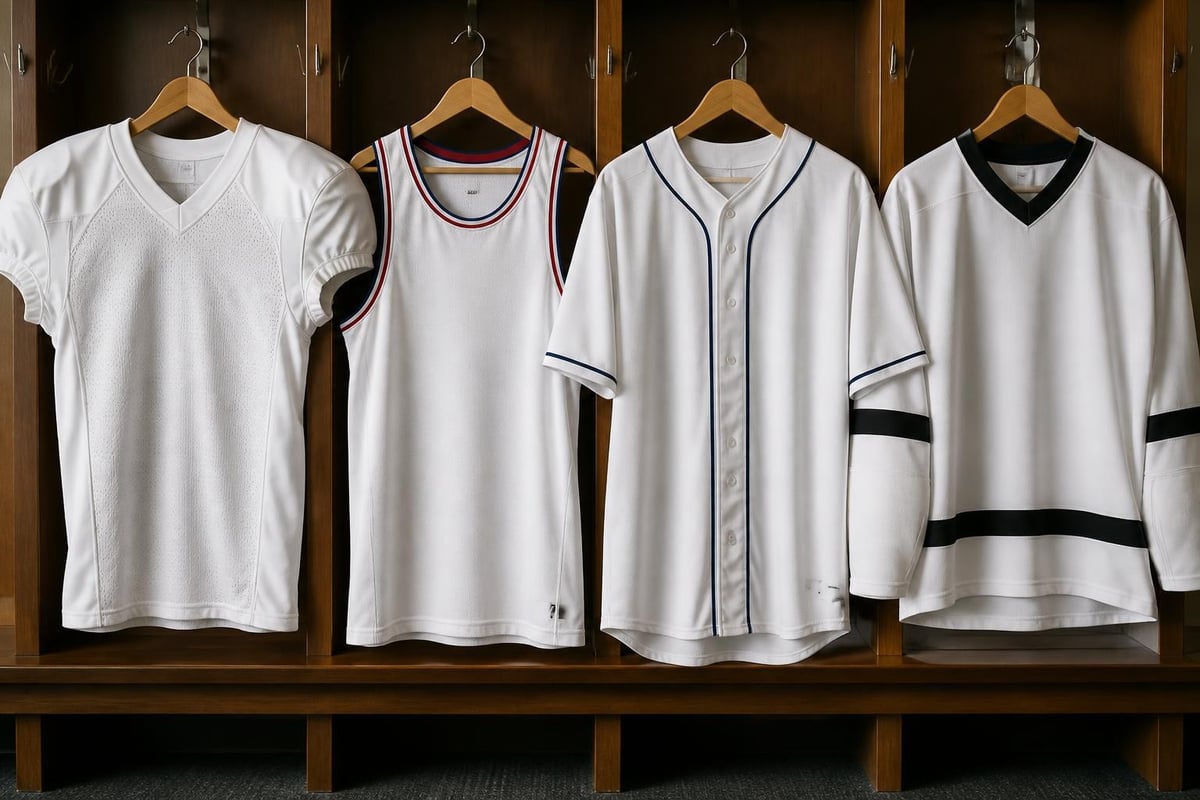
Basketball embraced the cleanest white jersey aesthetic, with minimal piping or trim in modern designs. The NBA's 2017 rule change allowing teams to wear any color at home or away expanded white jersey usage options, though most teams still prefer white for at least some home games.
Quality Standards and Testing Protocols
Professional and collegiate white jerseys must meet specific performance standards before reaching the field. Industry testing standards developed through organizations like NIST ensure fabrics perform consistently under athletic stress. These protocols test colorfastness, shrinkage resistance, tensile strength, and abrasion resistance.
White fabrics face particular scrutiny for opacity maintenance and stain resistance. Laboratory testing subjects white jersey samples to simulated wear conditions, repeated washing cycles, and exposure to common athletic stains. Only fabrics that maintain acceptable whiteness levels and structural integrity earn approval for team use.
Colorfastness testing ensures that team colors applied through tackle twill, screen printing, or sublimation won't bleed onto the white background during washing. This becomes especially critical when red, navy, or black graphics appear on white jerseys, as these colors most readily transfer onto lighter fabrics.
Sizing Architecture for White Jersey Production
White jersey sizing follows industry-standard measurement charts, but understanding how cuts differ across sports helps teams select appropriate styles. Football jerseys run larger to accommodate shoulder pads and protective equipment, while basketball jerseys feature wider armholes and shorter bodies for freedom of movement.
Standard measurement points include:
- Chest width measured one inch below armhole
- Body length from high point shoulder to hem
- Sleeve length from shoulder seam to cuff
- Neck opening circumference
- Shoulder width from seam to seam
Extended sizing addresses the reality that athletes come in all body types. Big and tall options ensure that larger players receive properly proportioned jerseys rather than simply scaled-up standard sizes. A 3XL jersey should maintain appropriate sleeve length and body proportion, not just add inches uniformly.
Youth sizing presents different challenges, as children's proportions differ from adults beyond simple height differences. Quality white jersey suppliers maintain separate sizing charts for youth, ensuring proper fit for developing athletes. The white jersey that fits a 10-year-old correctly looks different from a proportionally reduced adult medium.
Procurement Strategies for Team Equipment Managers
Organizations purchasing white jerseys for teams face decisions balancing budget, quality, and quantity. Bulk ordering typically reduces per-unit costs, but requires accurate sizing forecasts and inventory management. White jerseys' versatility as both home and practice wear justifies larger orders for many programs.
Custom tackle twill work requires lead time, with quality suppliers needing two to four weeks for full team orders. Rush production options exist but often carry premium pricing. Planning uniform refreshes during off-season periods ensures adequate production time without compromising game readiness.
International shipping expands supplier options but introduces customs considerations and longer delivery windows. White jerseys' classification under textile import regulations rarely creates complications, but large orders should account for potential inspection delays. Working with suppliers experienced in international athletic apparel shipping minimizes unexpected issues.
Environmental and Sustainability Considerations
The sports apparel industry increasingly addresses environmental impact, with white jersey production facing unique sustainability challenges. Achieving and maintaining bright white color requires chemical processing that traditionally involved harsh bleaching agents. Modern manufacturers increasingly adopt hydrogen peroxide-based alternatives that deliver similar results with reduced environmental impact.
Polyester recycling programs allow white jerseys to enter circular production streams at end-of-life. Ground polyester from retired jerseys can become raw material for new athletic apparel, though maintaining white color in recycled content presents technical challenges. Blending recycled and virgin polyester achieves both sustainability goals and color requirements.
Water consumption during white fabric production and finishing exceeds that of colored textiles because additional rinsing removes residual chemicals that might cause yellowing. Suppliers committed to sustainability invest in water reclamation systems that reduce overall consumption without compromising fabric quality.
Cultural Significance Beyond the Playing Field
White jerseys transcend their functional athletic purpose to become cultural symbols. The traditions surrounding special jerseys in cycling, including white elements that denote specific achievements, demonstrate how jersey color carries meaning beyond mere team identification. In American sports, retired white jerseys hanging in arena rafters honor legendary players, becoming permanent installations that connect past and present.
Fans purchasing white jerseys for casual wear choose them specifically for their versatility and clean aesthetic. A white jersey pairs with jeans, shorts, or athletic wear more easily than colored alternatives. This broader wearability expands the market for white team apparel beyond hardcore fans to casual supporters.
Wedding parties, corporate events, and community gatherings increasingly use custom white jerseys to create unified group identity without the formality of traditional matching outfits. The sports association adds energy while the white base maintains appropriate professionalism for diverse settings.
A quality white jersey combines technical performance, durability, and aesthetic appeal that serves athletes and fans across all contexts. Whether outfitting a competitive team or creating custom apparel for special events, the details of fabric selection, construction quality, and proper sizing determine satisfaction and longevity. My Size Jersey specializes in authentic-style custom jerseys with tackle twill stitching, offering extended sizing options and personalized customization for NFL, NBA, MLB, NHL, and more-all at competitive prices with no minimums required. Ready to create your perfect white jersey?
All our Jerseys are custom-made to order and offered in a wide range of sizes: Big and Tall Jerseys, My Size Jersey, Any Size Team Custom-made. Tackle twill stitched with full embroidery is our standard. Men's jerseys from Extra Small (size 34) to Men's 10X (size 86) are standard sizes for us. We are one of a very few offering jerseys in Big Men's Sizing, so the whole family can have jerseys. Child and Ladies sizes are available if requested. Please always review our size charts for the custom sizes we have developed for our clients. Also our production times are lower than most suppliers, with no layout costs or minimum units required. We can provide any jersey with any name, number, and size requested. We ship Worldwide.
More Information: https://www.mysizejersey.is/index.php
Email: mysizejersey@gmail.com